Enhancing Learning Environments with Trapezoid Student Desks
多行文本内容元素
富文本内容绑定数据后可解析HTML语言内容
Release time:
Jul 24,2026
Summary:Trapezoid student desks are an increasingly popular choice in modern educational environments. Their unique design—characterized by a geometric trapezoidal shape—allows for a variety of configurations that can significantly enhance the learning experience. This article delves into the advantages and functionalities of trapezoid student desks, making them a valuable asset for any classroom.
One of

Trapezoid student desks are an increasingly popular choice in modern educational environments. Their unique design—characterized by a geometric trapezoidal shape—allows for a variety of configurations that can significantly enhance the learning experience. This article delves into the advantages and functionalities of trapezoid student desks, making them a valuable asset for any classroom.
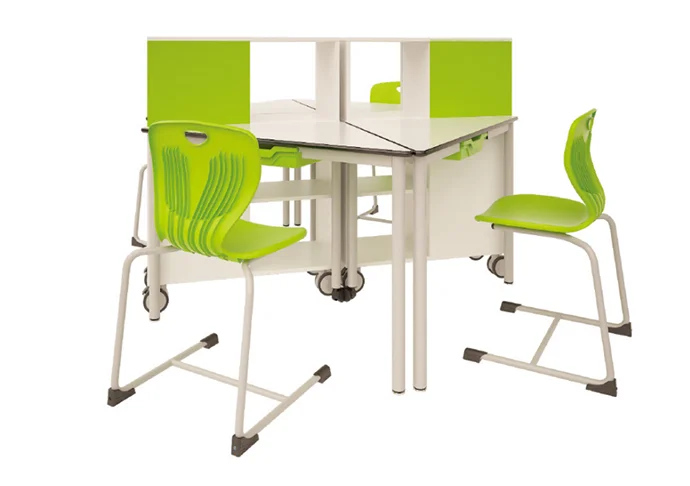
One of the primary benefits of trapezoid student desks is their adaptability. Unlike traditional rectangular desks, trapezoidal desks can be easily arranged in multiple formations. This flexibility enables teachers to create various layouts depending on the lesson or activity. For instance, desks can be grouped together for collaborative projects or spread apart for individual work. This adaptability not only fosters a dynamic learning environment but also encourages student engagement and interaction.
Moreover, the trapezoid shape allows for efficient use of space in the classroom. In many educational settings, optimizing space is vital for accommodating larger groups of students. Trapezoid desks can be arranged in a way that maximizes seating while minimizing unused areas. This efficient design can lead to a more organized classroom layout, providing students with better access to resources and reducing distractions.
In addition to their space-saving benefits, trapezoid student desks can also promote effective communication among students. The design encourages eye contact and accessibility, facilitating group discussions and teamwork. When students can easily see and interact with one another, it enhances collaboration and peer learning—a key component in today’s educational methodologies.
From a practical standpoint, trapezoid student desks are often designed with durability and functionality in mind. Many models feature adjustable heights, allowing them to cater to students of various ages and sizes. This ergonomic consideration is crucial for promoting comfort during long hours of studying and reducing strain on students' posture. Additionally, many trapezoid desks come equipped with built-in storage solutions, such as shelves or compartments, to help students keep their materials organized.
Another significant aspect of trapezoid student desks is their aesthetic appeal. Available in various colors and finishes, these desks can contribute to creating an inviting and stimulating learning environment. A well-designed classroom not only attracts students but also enhances their motivation and academic performance.
In conclusion, trapezoid student desks represent a forward-thinking approach to classroom design. Their versatility, space efficiency, collaborative potential, ergonomic features, and aesthetic appeal make them an excellent choice for educational institutions aiming to improve learning outcomes. By incorporating trapezoid desks into their classrooms, educators can create a more engaging and effective educational atmosphere that meets the diverse needs of today’s students.
One of the primary benefits of trapezoid student desks is their adaptability. Unlike traditional rectangular desks, trapezoidal desks can be easily arranged in multiple formations. This flexibility enables teachers to create various layouts depending on the lesson or activity. For instance, desks can be grouped together for collaborative projects or spread apart for individual work. This adaptability not only fosters a dynamic learning environment but also encourages student engagement and interaction.
Moreover, the trapezoid shape allows for efficient use of space in the classroom. In many educational settings, optimizing space is vital for accommodating larger groups of students. Trapezoid desks can be arranged in a way that maximizes seating while minimizing unused areas. This efficient design can lead to a more organized classroom layout, providing students with better access to resources and reducing distractions.
In addition to their space-saving benefits, trapezoid student desks can also promote effective communication among students. The design encourages eye contact and accessibility, facilitating group discussions and teamwork. When students can easily see and interact with one another, it enhances collaboration and peer learning—a key component in today’s educational methodologies.
From a practical standpoint, trapezoid student desks are often designed with durability and functionality in mind. Many models feature adjustable heights, allowing them to cater to students of various ages and sizes. This ergonomic consideration is crucial for promoting comfort during long hours of studying and reducing strain on students' posture. Additionally, many trapezoid desks come equipped with built-in storage solutions, such as shelves or compartments, to help students keep their materials organized.
Another significant aspect of trapezoid student desks is their aesthetic appeal. Available in various colors and finishes, these desks can contribute to creating an inviting and stimulating learning environment. A well-designed classroom not only attracts students but also enhances their motivation and academic performance.
In conclusion, trapezoid student desks represent a forward-thinking approach to classroom design. Their versatility, space efficiency, collaborative potential, ergonomic features, and aesthetic appeal make them an excellent choice for educational institutions aiming to improve learning outcomes. By incorporating trapezoid desks into their classrooms, educators can create a more engaging and effective educational atmosphere that meets the diverse needs of today’s students.
Contact ESCO Furniture

Shortcut Menu
Get a Quote