Boosting Collaboration: How Modular Student Desks Foster Teamwork in Educational Spaces
多行文本内容元素
富文本内容绑定数据后可解析HTML语言内容
Release time:
Jul 22,2026
Summary:Boosting Collaboration: How Modular Student Desks Foster Teamwork in Educational Spaces
Introduction to Modular Student Desks
In today’s educational landscape, the emphasis on collaboration and teamwork has never been greater. As classrooms evolve to meet the demands of modern learning, **modular student desks** have emerged as a vital component in fostering these skills. These desks offer flexibi

Boosting Collaboration: How Modular Student Desks Foster Teamwork in Educational Spaces
Introduction to Modular Student Desks
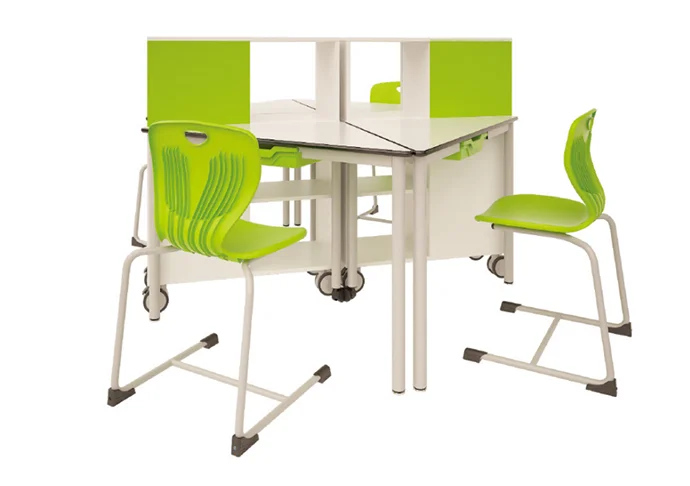
In today’s educational landscape, the emphasis on collaboration and teamwork has never been greater. As classrooms evolve to meet the demands of modern learning, **modular student desks** have emerged as a vital component in fostering these skills. These desks offer flexibility, adaptability, and the potential to create dynamic learning environments that encourage student interaction.
In this article, we will delve into the various aspects of modular student desks, exploring their design, benefits, and impact on fostering collaboration among students.
Understanding Modular Design in Educational Furniture
Modular design refers to the concept of using prefabricated sections or units that can be easily assembled, reconfigured, or expanded. This design principle is prevalent in various areas, including architecture and furniture, particularly within educational settings.
The Importance of Modular Desks in Classrooms
As educational institutions shift towards more interactive and student-centered learning models, the need for furniture that supports these methodologies becomes critical. **Modular desks** allow educators to rearrange classroom layouts quickly, ensuring that spaces are conducive to group work, discussions, and collaborative projects.
Key Features of Modular Desks
- **Flexibility:** Modular desks can be arranged in various configurations, such as clusters, rows, or circles, depending on the lesson or activity.
- **Scalability:** As classroom sizes change, modular desks can be easily added or removed, accommodating different numbers of students.
- **Space Efficiency:** These desks tend to have a smaller footprint compared to traditional desk designs, allowing for more open space in classrooms.
The Relationship Between Desk Design and Student Collaboration
The design of a classroom directly influences how students interact and collaborate. Research shows that furniture arrangements can either promote or hinder teamwork. Here’s how modular student desks contribute to a collaborative learning atmosphere.
Promoting Interaction Through Arrangement
Modular desks can be arranged to facilitate group work, discussions, and partnerships. By clustering desks, educators can encourage students to engage in dialogue, share ideas, and work together on projects.
Encouraging Diverse Learning Styles
Every student has a unique learning style, and modular desks can accommodate various approaches. For instance, some students thrive in collaborative settings, while others may prefer independent work. With modular desks, teachers can easily adapt the classroom environment to suit different needs, thereby enhancing overall student engagement.
Case Studies: Success Stories of Modular Desk Implementation
Several schools have successfully integrated modular desks into their classrooms, witnessing significant improvements in student collaboration and learning outcomes. For example, at Oakwood High School, teachers reported that students demonstrated increased participation and a greater willingness to share ideas after the installation of modular desks.
Impact of Modular Desks on Student Engagement
Student engagement is a crucial factor in academic success. **Modular desks** have demonstrated a positive correlation with increased student engagement levels. Here’s how they make a difference.
Creating a Comfortable Learning Environment
A key component of student engagement is comfort. Modular desks are often designed with ergonomic features that enhance comfort, allowing students to focus on their work rather than dealing with discomfort.
Encouraging Active Learning
Active learning requires students to participate in their education actively. With modular desks, students have the freedom to move around, collaborate easily with peers, and participate in hands-on activities. This flexibility enhances the overall learning experience and fosters a sense of ownership over their education.
Enhancing Communication Skills
Working in groups and pairs encourages students to articulate their thoughts and listen to others. Modular desks facilitate this communication by allowing students to sit in proximity, fostering discussions and collaborative problem-solving.
Tips for Implementing Modular Desks in Educational Settings
Successfully integrating modular desks into a classroom requires thoughtful planning. Here are some tips for educators and administrators.
Assessing Classroom Needs
Before investing in modular desks, it’s essential to evaluate the specific needs of your classroom. Consider the size of the space, the number of students, and the types of activities that will take place.
Involving Students in the Process
Students can provide valuable insights into how classroom furniture affects their learning. Engaging them in discussions about desk arrangements can lead to more effective setups and promote a sense of ownership over their learning environment.
Training for Educators
Teachers should receive training on how to use modular desks effectively. This training can include strategies for arranging desks for different activities, managing group dynamics, and facilitating collaborative learning experiences.
The Future of Modular Desks in Education
As the educational landscape continues to evolve, the demand for flexible and adaptable furniture solutions will increase. Modular desks are poised to play a significant role in shaping future classrooms, supporting a shift towards more student-driven learning experiences.
Trends in Modular Desk Design
Innovations in modular desk design are already underway, with manufacturers focusing on sustainability, technology integration, and enhanced functionality. Future iterations of modular desks may incorporate features like built-in charging ports, integrated technology for presentations, and environmentally friendly materials.
Conclusion
In conclusion, **modular student desks** offer a multitude of benefits that enhance collaboration, engagement, and overall student success in educational settings. Their flexible design promotes interaction, accommodates diverse learning styles, and creates an environment conducive to active learning. As educational institutions continue to prioritize teamwork and collaboration, the implementation of modular desks will undoubtedly play a pivotal role in fostering these essential skills among students.
FAQs
1. What are modular student desks?
Modular student desks are flexible desks designed to be easily rearranged for different classroom layouts and activities, promoting collaboration and teamwork.
2. How do modular desks improve student collaboration?
By allowing for various arrangements, modular desks facilitate group work and discussions, encouraging students to interact and collaborate more effectively.
3. Are modular desks suitable for all classroom sizes?
Yes, modular desks are scalable and can be adjusted to fit different classroom sizes and configurations, making them ideal for various educational settings.
4. What features should I look for in modular desks?
Key features to consider include flexibility in arrangement, ergonomic design for comfort, durability, and the ability to accommodate technology.
5. How can teachers effectively use modular desks in their classrooms?
Teachers can use modular desks by arranging them based on the lesson type, involving students in the setup process, and receiving training on collaborative teaching strategies.
Contact ESCO Furniture

Shortcut Menu
Get a Quote