Enhancing Communication Skills with Collaborative Classroom Desks: A Comprehensive Guide
多行文本内容元素
富文本内容绑定数据后可解析HTML语言内容
Release time:
Jul 26,2026

Enhancing Communication Skills with Collaborative Classroom Desks
Table of Contents
- Understanding Collaborative Learning
- The Importance of Communication Skills in Education
- The Role of Classroom Desks in Promoting Collaboration
- Types of Collaborative Desks
- Designing Effective Classroom Layouts
- Implementing Collaborative Strategies in the Classroom
- Measuring the Impact on Student Communication
- Frequently Asked Questions
- Conclusion
Understanding Collaborative Learning
Collaborative learning is an educational approach that involves students working together in groups to solve problems, complete tasks, or learn from one another. This method encourages active participation and fosters a sense of community among students, enhancing their ability to communicate effectively. By utilizing collaborative classroom desks, educators can facilitate a learning environment that promotes teamwork, critical thinking, and interpersonal skills. This section will delve into the principles of collaborative learning and how they can be effectively implemented in the classroom.
The Importance of Communication Skills in Education
Effective communication skills are essential for students as they navigate their educational journeys and prepare for future careers. In an increasingly interconnected world, being able to articulate thoughts clearly, listen actively, and engage in constructive dialogue is paramount. Communication skills contribute to:
- Academic Success: Students who communicate well often perform better academically, as they can articulate their understanding and engage in discussions.
- Social Interaction: Strong communication skills enhance students' ability to form relationships, collaborate with peers, and resolve conflicts.
- Career Preparedness: Employers value communication skills highly; thus, education systems need to prioritize developing these skills in students.
The Role of Classroom Desks in Promoting Collaboration
Classroom desks may seem like simple furniture, but they play a critical role in shaping the learning environment. Traditional classroom setups often place desks in rows, which can hinder communication and collaboration. In contrast, collaborative classroom desks foster interaction. By positioning desks to facilitate group work, educators can enhance student engagement and communication. This section will examine how different desk arrangements can support collaborative learning and promote effective communication.
Types of Collaborative Desks
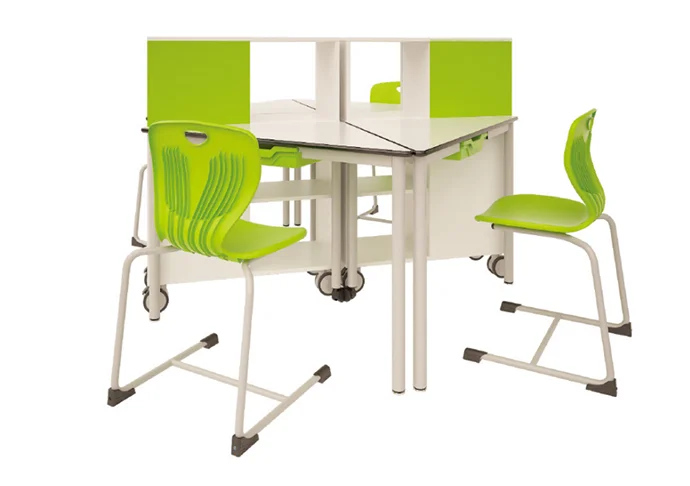
There are various types of collaborative desks designed to encourage interaction among students. Each type serves different needs and facilitates different styles of collaboration. Some popular options include:
1. Group Tables
Group tables are larger desks that allow several students to work together in a shared space. They promote face-to-face interaction and are ideal for brainstorming sessions or group projects.
2. Modular Desks
Modular desks can be rearranged into different configurations, making them versatile for various activities. They allow educators to adapt the classroom layout to suit different teaching methods, whether it's group work, discussions, or presentations.
3. Portable Desks
Portable desks are lightweight and easy to move. They enable quick reconfiguration of the classroom to support different collaborative activities and facilitate communication among students.
4. Technology-Integrated Desks
Desks equipped with technology, such as charging ports or built-in screens, can enhance collaborative learning. Students can easily share digital resources, work on projects together, and communicate effectively through technology.
Designing Effective Classroom Layouts
The layout of a classroom directly influences how students interact and communicate. An effective classroom layout should promote collaboration and facilitate communication. Here are some key considerations for designing an optimal classroom layout:
1. Flexible Arrangements
Incorporating flexible desk arrangements allows educators to adapt the learning space to suit different activities. This adaptability encourages students to engage in collaborative tasks more effectively.
2. Communication Zones
Creating designated zones for collaboration can help students understand where to focus on teamwork and discussions. These zones could include areas with group tables, discussion circles, or technology stations.
3. Clear Pathways
Ensuring clear pathways between desks promotes movement and interaction among students. This layout encourages spontaneous discussions and collaborative efforts.
Implementing Collaborative Strategies in the Classroom
To maximize the benefits of collaborative classroom desks, educators should implement effective collaborative strategies. Here are some practical approaches:
1. Group Projects
Assigning group projects encourages students to work together to achieve common goals. This fosters teamwork and enhances communication skills.
2. Peer Teaching
Encouraging students to teach one another can enhance understanding and improve communication skills. Peer teaching promotes a collaborative learning environment where students feel valued.
3. Structured Discussions
Implementing structured discussion formats, such as Socratic seminars or fishbowl discussions, can facilitate meaningful dialogue among students.
Measuring the Impact on Student Communication
Evaluating the effectiveness of collaborative classroom desks in improving communication skills is essential for continuous improvement. Educators can use various methods to assess the impact, including:
1. Student Feedback
Collecting feedback from students about their experiences with collaborative learning can provide valuable insights into the effectiveness of the chosen desk arrangements and strategies.
2. Observational Assessments
Teachers can observe student interactions during collaborative activities to assess communication skills development and identify areas for improvement.
3. Academic Performance
Tracking academic performance before and after implementing collaborative desks can help measure the effectiveness of these strategies in enhancing communication and overall learning.
Frequently Asked Questions
1. What are collaborative classroom desks?
Collaborative classroom desks are furniture designed to facilitate group work and enhance communication among students, allowing for flexible arrangements and interactions.
2. How do collaborative desks improve communication skills?
By promoting group work and face-to-face interactions, collaborative desks create opportunities for students to practice and develop their communication skills in a supportive environment.
3. What types of collaborative desks are available?
There are various types of collaborative desks including group tables, modular desks, portable desks, and technology-integrated desks, each designed to support collaborative learning.
4. How can I implement collaborative strategies in my classroom?
Educators can implement collaborative strategies through group projects, peer teaching, and structured discussions that encourage student interaction and engagement.
5. How can I measure the impact of collaborative desks on communication skills?
Impact can be measured through student feedback, observational assessments, and tracking academic performance to evaluate improvements in communication skills.
Conclusion
Enhancing communication skills through collaborative classroom desks is a transformative approach to education. By understanding the principles of collaborative learning, recognizing the importance of communication skills, and implementing effective desk arrangements, educators can create productive learning environments. Collaborative classroom desks not only facilitate teamwork but also prepare students for future challenges in an interconnected world. Emphasizing communication skills through innovative classroom design paves the way for students to thrive academically and socially.
Contact ESCO Furniture

Shortcut Menu
Get a Quote