Ergonomics in Education: The Importance of Modular Student Desks for Enhanced Learning
多行文本内容元素
富文本内容绑定数据后可解析HTML语言内容
Release time:
Jun 08,2026
Summary:Ergonomics in Education: The Importance of Modular Student Desks for Enhanced Learning
Table of Contents
1. Introduction to Ergonomics in Educational Settings
2. Understanding Modular Student Desks
3. The Role of Ergonomics in Student Health and Performance
3.1 Reducing Physical Strain
3.2 Enhancing Focus and Engagement
4. Benefits of Modular Student Desks in the Classroom
4.1 Flex

Ergonomics in Education: The Importance of Modular Student Desks for Enhanced Learning
Table of Contents
1. Introduction to Ergonomics in Educational Settings
2. Understanding Modular Student Desks
3. The Role of Ergonomics in Student Health and Performance
3.1 Reducing Physical Strain
3.2 Enhancing Focus and Engagement
4. Benefits of Modular Student Desks in the Classroom
4.1 Flexibility for Diverse Learning Styles
4.2 Enhanced Collaboration Among Students
5. The Impact of Ergonomic Design on Academic Outcomes
6. Selecting the Right Modular Desks for Your Classroom
6.1 Key Features to Consider
6.2 Material and Durability
7. Case Studies: Successful Implementation of Modular Desks
8. FAQs about Modular Student Desks and Ergonomics
9. Conclusion
1. Introduction to Ergonomics in Educational Settings
In today’s educational landscape, the importance of **ergonomics** cannot be overstated. Ergonomics is the science of designing the workspace to fit the user’s needs, thereby enhancing comfort and efficiency. As classrooms evolve, so do the tools and furniture that facilitate learning. **Modular student desks** represent a significant advancement in this area, offering a flexible and ergonomic solution that aligns with the varying needs of students.
2. Understanding Modular Student Desks
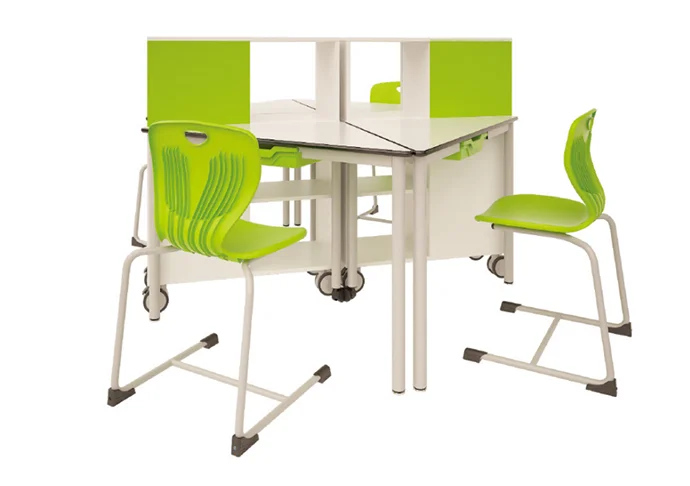
**Modular student desks** are designed to be easily reconfigured, allowing teachers to arrange the classroom layout according to specific teaching methods or student interactions. These desks come in various shapes, sizes, and materials, providing adaptability that traditional desks cannot match. Their modular nature supports a dynamic learning environment, promoting both individual and group work.
3. The Role of Ergonomics in Student Health and Performance
The design of student desks plays a crucial role in student health and academic performance. With the right ergonomic design, students can experience significant improvements in both areas.
3.1 Reducing Physical Strain
Poorly designed desks can lead to various physical ailments, including back pain, neck strain, and repetitive motion injuries. Modular student desks, particularly those that are height-adjustable, can be tailored to suit students of different heights. This adaptability minimizes discomfort and supports the development of healthy postures, which is essential for long hours spent studying.
3.2 Enhancing Focus and Engagement
When students are comfortable, they are more likely to concentrate and engage in classroom activities. An ergonomic desk can dramatically influence a student’s ability to focus, thereby enhancing their learning experience. By providing an environment that prioritizes comfort, schools can improve overall student performance and satisfaction.
4. Benefits of Modular Student Desks in the Classroom
Investing in modular student desks offers numerous advantages that extend beyond mere comfort. These benefits are pivotal in creating an effective learning environment.
4.1 Flexibility for Diverse Learning Styles
Every student has a unique learning style, and modular desks can accommodate these differences. Whether through group activities, individual work, or interactive lessons, modular desks allow for easy reconfiguration, ensuring that all students can participate in a way that suits their learning preferences.
4.2 Enhanced Collaboration Among Students
Classrooms are increasingly centered around collaborative learning. Modular desks facilitate group work by allowing students to easily form clusters or work in pairs. This setup not only boosts communication skills but also fosters teamwork, critical thinking, and problem-solving abilities.
5. The Impact of Ergonomic Design on Academic Outcomes
Research consistently shows that ergonomic design contributes to better academic outcomes. Students seated at ergonomic desks demonstrate higher levels of focus and lower incidences of health-related distractions. Improved attention leads to better retention of information, higher grades, and a more positive overall attitude towards education.
6. Selecting the Right Modular Desks for Your Classroom
Choosing the right modular student desks is crucial for maximizing their benefits. Several factors should be considered to ensure that the selected desks meet the needs of both students and educators.
6.1 Key Features to Consider
When selecting modular desks, look for features such as adjustability, durability, and ease of mobility. Desks that can be easily reconfigured without requiring significant effort or tools are ideal. Additionally, consider the weight of the desks and how easily they can be moved to facilitate different classroom layouts.
6.2 Material and Durability
The materials used in desk construction significantly impact their longevity and performance. High-quality, durable materials can withstand the daily wear and tear of an active classroom. Opt for desks made of sustainable materials that are also easy to clean, ensuring a hygienic and environmentally friendly classroom.
7. Case Studies: Successful Implementation of Modular Desks
Several schools have successfully integrated modular desks into their classrooms, reporting significant improvements in student engagement and health. For instance, a middle school in California observed a 20% increase in student participation after replacing traditional desks with modular options. Teachers reported that students were more willing to collaborate and contribute to discussions, resulting in a richer learning experience.
8. FAQs about Modular Student Desks and Ergonomics
Q1: What are modular student desks?
A1: Modular student desks are flexible furniture pieces designed for easy reconfiguration, allowing for various classroom layouts to support different teaching methods and learning styles.
Q2: How do modular desks promote better ergonomics?
A2: They often feature adjustable heights and designs that can accommodate various body types, reducing physical strain and promoting healthy sitting postures.
Q3: Can modular desks enhance student collaboration?
A3: Yes, their reconfigurable nature allows students to work together more easily, encouraging group activities and cooperative learning.
Q4: What impact do ergonomic desks have on academic performance?
A4: Ergonomic desks contribute to improved focus and comfort, leading to higher student engagement and better academic outcomes.
Q5: Are modular desks suitable for all age groups?
A5: Absolutely. Modular desks can be designed to suit various age groups, making them versatile for different educational settings, from elementary to higher education.
9. Conclusion
Incorporating **modular student desks** in educational environments is not just a trend; it's a necessary evolution in how we approach learning. By prioritizing ergonomics, schools can create a setting that fosters health, collaboration, and academic success. As we strive for a more adaptable and engaging educational landscape, the importance of thoughtful furniture design will continue to play a pivotal role in shaping the future of learning. Investing in ergonomic solutions like modular desks is a step towards ensuring that students can thrive, both physically and academically.
Contact ESCO Furniture

Shortcut Menu
Get a Quote