Choosing the Right Ergonomic Student Chair for Your Child: A Guide for Parents
多行文本内容元素
富文本内容绑定数据后可解析HTML语言内容
Release time:
Jun 10,2026
Summary:When it comes to creating an optimal learning space for children, an ergonomic student chair is a fundamental piece of furniture. These chairs are designed to promote good posture, prevent discomfort, and support the developing bodies of young learners. As children grow, their bodies undergo changes that can affect how they sit and work. Therefore, understanding the key features of ergonomic chair

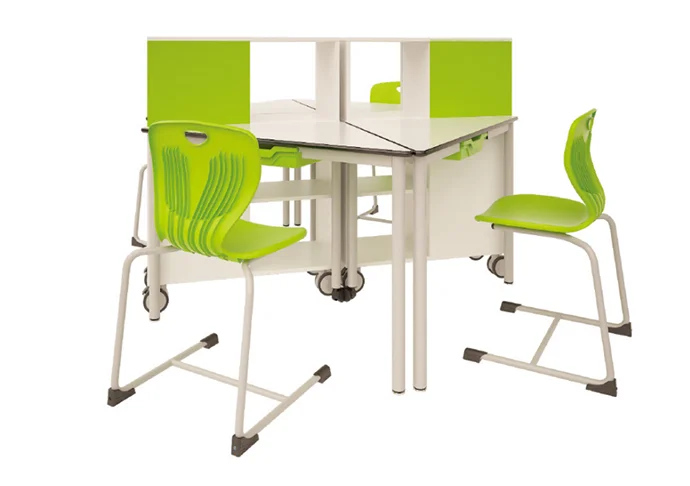
When it comes to creating an optimal learning space for children, an ergonomic student chair is a fundamental piece of furniture. These chairs are designed to promote good posture, prevent discomfort, and support the developing bodies of young learners. As children grow, their bodies undergo changes that can affect how they sit and work. Therefore, understanding the key features of ergonomic chairs can help parents make informed decisions that benefit their children’s health and well-being.
One of the primary aspects to consider is adjustability. An ergonomic student chair should have height-adjustable features to accommodate the child’s growth. This means it can be easily adapted to suit different heights, ensuring that the child’s feet can rest flat on the floor, and their knees are at a right angle. Additionally, a chair with adjustable backrests can provide essential lumbar support, helping to maintain the natural curve of the spine.
Another important feature is seat depth and width. An ideal ergonomic chair should offer enough space for the child to sit comfortably, while also allowing them to sit back fully against the backrest. This not only promotes better posture but also helps reduce the risk of developing musculoskeletal issues over time. When selecting a chair, parents should ensure that the seat is not too deep or too shallow, which can hinder proper seating posture.
Material is another critical consideration when choosing an ergonomic student chair. Breathable and soft materials can enhance comfort, especially during long study sessions. Look for chairs with padding that is not too soft or too firm, striking the right balance to support a child’s weight without causing discomfort. Furthermore, a chair with a stable base and casters can provide mobility, allowing children to move easily and reach different areas of their study space without strain.
Moreover, establishing a designated study area that includes an ergonomic chair can significantly boost a child's focus and productivity. A well-designed workspace encourages better concentration and can make the learning process more enjoyable. Parents should consider pairing the chair with an appropriately sized desk to ensure a harmonious setup that supports the child's educational activities.
In conclusion, investing in an ergonomic student chair is an essential step towards fostering a healthy and productive learning environment for children. By prioritizing adjustability, comfort, and support, parents can help their children develop positive study habits and avoid potential discomfort associated with poor seating. As children grow, the right chair will not only accommodate their changing needs but also promote a lifelong appreciation of good posture and ergonomics in their educational journey.
One of the primary aspects to consider is adjustability. An ergonomic student chair should have height-adjustable features to accommodate the child’s growth. This means it can be easily adapted to suit different heights, ensuring that the child’s feet can rest flat on the floor, and their knees are at a right angle. Additionally, a chair with adjustable backrests can provide essential lumbar support, helping to maintain the natural curve of the spine.
Another important feature is seat depth and width. An ideal ergonomic chair should offer enough space for the child to sit comfortably, while also allowing them to sit back fully against the backrest. This not only promotes better posture but also helps reduce the risk of developing musculoskeletal issues over time. When selecting a chair, parents should ensure that the seat is not too deep or too shallow, which can hinder proper seating posture.
Material is another critical consideration when choosing an ergonomic student chair. Breathable and soft materials can enhance comfort, especially during long study sessions. Look for chairs with padding that is not too soft or too firm, striking the right balance to support a child’s weight without causing discomfort. Furthermore, a chair with a stable base and casters can provide mobility, allowing children to move easily and reach different areas of their study space without strain.
Moreover, establishing a designated study area that includes an ergonomic chair can significantly boost a child's focus and productivity. A well-designed workspace encourages better concentration and can make the learning process more enjoyable. Parents should consider pairing the chair with an appropriately sized desk to ensure a harmonious setup that supports the child's educational activities.
In conclusion, investing in an ergonomic student chair is an essential step towards fostering a healthy and productive learning environment for children. By prioritizing adjustability, comfort, and support, parents can help their children develop positive study habits and avoid potential discomfort associated with poor seating. As children grow, the right chair will not only accommodate their changing needs but also promote a lifelong appreciation of good posture and ergonomics in their educational journey.
Contact ESCO Furniture

Shortcut Menu
Get a Quote