Transforming Learning Spaces: The Importance of Collaborative Classroom Desks
多行文本内容元素
富文本内容绑定数据后可解析HTML语言内容
Release time:
Jun 06,2026
Summary:In today's dynamic educational landscape, the design and arrangement of classroom furniture play a crucial role in shaping the learning experience. Collaborative classroom desks, specifically designed to facilitate teamwork and interactive learning, have become increasingly popular in modern educational settings. These desks not only support varied teaching methods but also promote a sense of comm

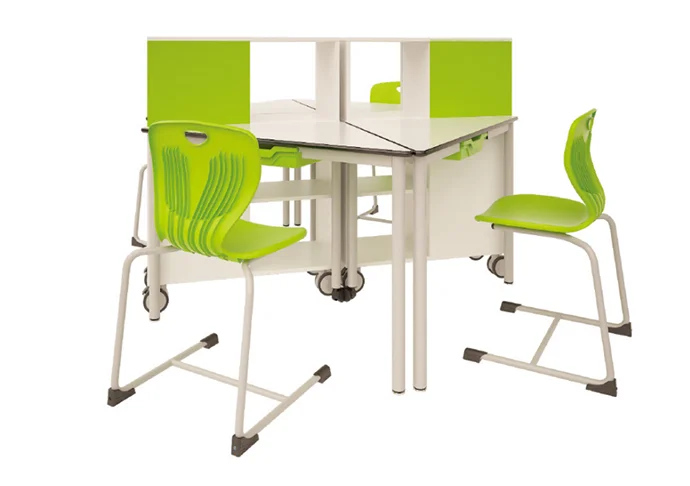
In today's dynamic educational landscape, the design and arrangement of classroom furniture play a crucial role in shaping the learning experience. Collaborative classroom desks, specifically designed to facilitate teamwork and interactive learning, have become increasingly popular in modern educational settings. These desks not only support varied teaching methods but also promote a sense of community among students.
One of the primary benefits of collaborative classroom desks is their ability to encourage interaction among students. Unlike traditional, isolated desks, collaborative designs typically feature configurations that allow students to face each other, share resources, and engage in meaningful discussions. This arrangement promotes skills such as communication, problem-solving, and critical thinking, which are essential for success in both academic and real-world scenarios.
When selecting collaborative classroom desks, it is essential to consider the layout and flexibility of the furniture. Desks that can be easily rearranged enable educators to adapt the classroom environment based on the specific activity or lesson plan. For instance, during group projects, desks can be clustered together to facilitate teamwork, while during individual assessments, they can be spaced apart to minimize distractions. This versatility ensures that the classroom can accommodate a variety of teaching styles and learning activities.
Another critical aspect of collaborative classroom desks is their ergonomic design. Comfort is paramount when students are engaged in prolonged study sessions or group work. Desks that provide adequate support and are adjustable to different heights help address the diverse needs of students. Additionally, incorporating features such as storage compartments or integrated power outlets can further enhance the functionality of the desks, ensuring that students have easy access to their materials and technology.
Moreover, the aesthetic appeal of collaborative classroom desks should not be overlooked. A visually stimulating environment can boost students' motivation and engagement levels. Desks that come in various colors and styles can create an inviting atmosphere, making students feel more connected to their learning space. This is especially important in promoting a positive classroom culture where students feel comfortable expressing their ideas and collaborating with peers.
Lastly, it is vital to consider the durability of collaborative classroom desks. Educational environments experience high traffic, so selecting materials that can withstand daily use is essential. High-quality finishes and robust construction will ensure that the desks remain functional and visually appealing over time, providing a reliable learning space for generations of students.
In conclusion, collaborative classroom desks are more than just furniture; they are essential tools that can significantly enhance the learning experience. By promoting interaction, adaptability, comfort, aesthetic appeal, and durability, these desks contribute to creating an engaging and effective educational environment. Investing in the right collaborative classroom desks can lead to improved student outcomes and a more vibrant classroom culture.
One of the primary benefits of collaborative classroom desks is their ability to encourage interaction among students. Unlike traditional, isolated desks, collaborative designs typically feature configurations that allow students to face each other, share resources, and engage in meaningful discussions. This arrangement promotes skills such as communication, problem-solving, and critical thinking, which are essential for success in both academic and real-world scenarios.
When selecting collaborative classroom desks, it is essential to consider the layout and flexibility of the furniture. Desks that can be easily rearranged enable educators to adapt the classroom environment based on the specific activity or lesson plan. For instance, during group projects, desks can be clustered together to facilitate teamwork, while during individual assessments, they can be spaced apart to minimize distractions. This versatility ensures that the classroom can accommodate a variety of teaching styles and learning activities.
Another critical aspect of collaborative classroom desks is their ergonomic design. Comfort is paramount when students are engaged in prolonged study sessions or group work. Desks that provide adequate support and are adjustable to different heights help address the diverse needs of students. Additionally, incorporating features such as storage compartments or integrated power outlets can further enhance the functionality of the desks, ensuring that students have easy access to their materials and technology.
Moreover, the aesthetic appeal of collaborative classroom desks should not be overlooked. A visually stimulating environment can boost students' motivation and engagement levels. Desks that come in various colors and styles can create an inviting atmosphere, making students feel more connected to their learning space. This is especially important in promoting a positive classroom culture where students feel comfortable expressing their ideas and collaborating with peers.
Lastly, it is vital to consider the durability of collaborative classroom desks. Educational environments experience high traffic, so selecting materials that can withstand daily use is essential. High-quality finishes and robust construction will ensure that the desks remain functional and visually appealing over time, providing a reliable learning space for generations of students.
In conclusion, collaborative classroom desks are more than just furniture; they are essential tools that can significantly enhance the learning experience. By promoting interaction, adaptability, comfort, aesthetic appeal, and durability, these desks contribute to creating an engaging and effective educational environment. Investing in the right collaborative classroom desks can lead to improved student outcomes and a more vibrant classroom culture.
Contact ESCO Furniture

Shortcut Menu
Get a Quote