Inspiring Creativity with Versatile Collaborative Learning Desks
多行文本内容元素
富文本内容绑定数据后可解析HTML语言内容
Release time:
Jun 04,2026
Summary:Inspiring Creativity with Versatile Collaborative Learning Desks
Understanding the Importance of Collaborative Learning
In an ever-evolving educational landscape, collaboration has become a cornerstone of effective learning. **Collaborative learning** promotes teamwork, critical thinking, and problem-solving skills among students. By engaging in group activities, learners can share perspectives, e

Inspiring Creativity with Versatile Collaborative Learning Desks
Understanding the Importance of Collaborative Learning
In an ever-evolving educational landscape, collaboration has become a cornerstone of effective learning. **Collaborative learning** promotes teamwork, critical thinking, and problem-solving skills among students. By engaging in group activities, learners can share perspectives, enhance their communication skills, and build meaningful relationships with peers.
The Shift Towards Collaborative Classrooms
Traditional teaching methods often emphasize individual learning, which can limit creativity and engagement. In contrast, **collaborative classrooms** encourage interaction and participation, allowing students to take ownership of their learning. This shift in pedagogy highlights the importance of designing learning environments that support collaboration.
Key Benefits of Collaborative Learning
1. **Enhanced Creativity**: Working in groups often sparks new ideas and fosters innovation. Students can brainstorm and build upon each other's thoughts, leading to creative solutions.
2. **Improved Communication Skills**: Collaboration requires effective communication, helping students to articulate their thoughts clearly and listen actively to others.
3. **Increased Engagement**: Group activities and projects tend to be more engaging than traditional lectures, keeping students motivated and invested in their learning.
4. **Social Development**: Collaboration helps students develop essential social skills, including empathy, conflict resolution, and teamwork.
Versatile Collaborative Learning Desks: A Game Changer in Education
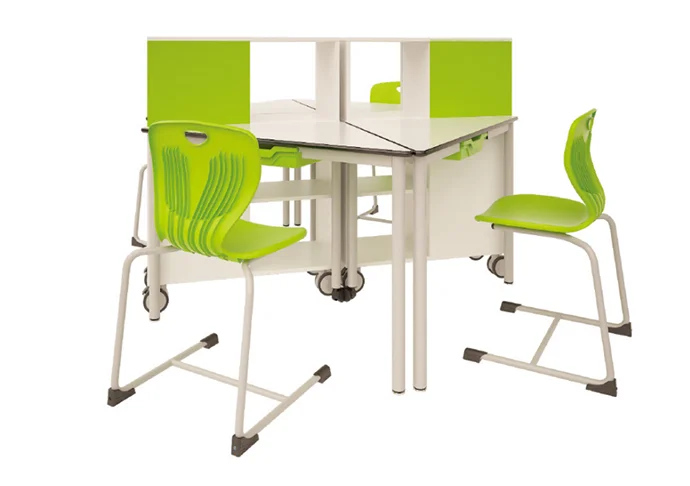
The design of collaborative learning desks plays a crucial role in promoting effective group work. These desks are not just furniture; they are tools that facilitate interaction and creativity among students.
Key Features of Collaborative Learning Desks
1. **Modular Design**: Collaborative desks often feature a modular design, allowing for flexible arrangements. This adaptability lets educators configure the classroom layout to suit different activities and group sizes.
2. **Mobility and Flexibility**: Many learning desks are equipped with wheels or lightweight materials, making it easy to rearrange furniture for group work or individual tasks. This flexibility encourages fluid transitions between learning activities.
3. **Ergonomic Design**: Comfort is essential for effective learning. Desks designed with ergonomics in mind help students maintain focus and reduce fatigue during collaborative sessions.
4. **Integrated Technology Solutions**: Modern collaborative desks often come with integrated technology features, such as charging ports and built-in screens, promoting seamless access to digital resources and collaborative tools.
Choosing the Right Collaborative Learning Desk
When selecting collaborative learning desks, consider the following factors:
- **Space Requirements**: Assess the classroom layout and the available space. Opt for desks that fit comfortably within the environment while allowing for easy movement.
- **Group Size**: Determine the typical group sizes in your classroom. Desks designed for various configurations can accommodate both small and large groups effectively.
- **Material Durability**: Look for desks made from high-quality, durable materials to withstand daily use. Consider easy-to-clean surfaces that maintain a professional appearance.
- **Aesthetic Appeal**: The design of the desks should align with the overall aesthetics of the classroom. A visually appealing environment can enhance student motivation and engagement.
Implementing Collaborative Learning Desks in Your Classroom
Integrating collaborative learning desks into your classroom requires careful planning and consideration. Here are some practical tips to ensure a successful transition:
Planning the Classroom Layout
Before introducing collaborative desks, assess your current classroom layout. Consider how students will interact, where the teacher will be stationed, and the overall flow of movement within the space. **Experiment with different configurations** to find the optimal arrangement that promotes collaboration.
Creating Collaborative Activities
To maximize the effectiveness of collaborative learning desks, design activities specifically tailored for group work. Here are a few ideas:
1. **Project-Based Learning**: Assign students to work in groups on projects that require research, problem-solving, and creativity. Collaborative desks facilitate discussion and brainstorming sessions.
2. **Peer Teaching**: Encourage students to take turns teaching their peers. This approach reinforces their understanding of the material while boosting confidence and communication skills.
3. **Group Discussions**: Create opportunities for group discussions around specific topics or questions. Collaborative desks enable students to engage in meaningful conversations and share diverse perspectives.
Case Studies: Successful Implementation of Collaborative Learning Desks
Real-world examples of schools that have successfully integrated collaborative learning desks can provide valuable insights into best practices.
School A: Revolutionizing Group Work
At School A, the introduction of modular collaborative desks transformed the learning environment. Teachers noticed a significant increase in student engagement and participation during group projects. The modular design allowed for quick rearrangements, enabling teachers to tailor the classroom setup for various activities.
Feedback from Students
Students reported feeling more comfortable collaborating with peers and expressed excitement about the interactive learning experiences. The desks' flexibility made it easier for them to switch between individual and group work, fostering a dynamic learning atmosphere.
School B: Enhancing Creativity Through Collaboration
School B focused on enhancing creativity through collaborative learning desks. Teachers implemented project-based learning and noticed remarkable improvements in students' critical thinking skills. The desks sparked creativity and provided a space for students to explore innovative ideas.
Impact on Academic Performance
The shift towards collaborative learning led to improved academic performance in several subjects, with students demonstrating a deeper understanding of complex concepts. The collaborative desks proved instrumental in creating an environment conducive to creative exploration.
Challenges and Solutions in Implementing Collaborative Learning Desks
While the transition to collaborative learning desks can yield significant benefits, it is not without challenges. Here are some common issues educators may face and potential solutions.
Challenge 1: Resistance to Change
Some educators may be resistant to changing traditional teaching methods. To address this challenge, provide professional development opportunities highlighting the benefits of collaborative learning.
Solution
Encourage educators to participate in workshops and training sessions focused on collaborative teaching strategies. Sharing success stories from peers can also help alleviate concerns and promote enthusiasm for the new approach.
Challenge 2: Classroom Management
With increased collaboration comes the potential for noise and distractions. Effective classroom management strategies are essential to maintaining focus during group work.
Solution
Establish clear expectations for group work, including guidelines for communication and behavior. Implementing structured routines can help students stay on task while collaborating.
Future Trends in Collaborative Learning Desks
As educational practices continue to evolve, so too will the design of collaborative learning desks. Here are some anticipated trends in this area:
Incorporating Technology
The integration of advanced technology will become increasingly important in collaborative learning environments. Future desks may feature enhanced tech capabilities, such as digital displays and interactive surfaces that support group collaboration.
Focus on Sustainability
With a growing emphasis on sustainability in education, manufacturers may prioritize eco-friendly materials in the production of collaborative desks. This shift aligns with broader environmental goals and resonates with environmentally conscious educators and students.
FAQs about Collaborative Learning Desks
What are collaborative learning desks?
Collaborative learning desks are specially designed furniture pieces that promote group work and interaction among students. Their flexible designs allow for various configurations to accommodate different learning activities.
How do collaborative desks enhance creativity?
By facilitating group interactions and discussions, collaborative desks help spark creativity and innovation. Students can share ideas, brainstorm solutions, and build upon each other's thoughts, leading to more creative outcomes.
What features should I look for in collaborative learning desks?
When choosing collaborative desks, consider features like modular designs, mobility, ergonomic comfort, integrated technology, and durability.
How can I integrate collaborative desks into my classroom effectively?
Plan the classroom layout thoughtfully, create engaging collaborative activities, and establish clear expectations for group work to ensure successful integration.
What are the benefits of collaborative learning desks for teachers?
Teachers benefit from collaborative learning desks by observing increased student engagement, improved collaboration, and enhanced creativity in student projects. They also facilitate more dynamic and interactive teaching methods.
Conclusion
The introduction of versatile collaborative learning desks has the potential to revolutionize educational spaces, fostering creativity and collaboration among students. By creating environments tailored for teamwork, educators can cultivate essential skills that prepare students for success in the future. As we embrace this shift towards collaborative learning, it is crucial to remain open to innovative designs and approaches that enhance the educational experience for both teachers and students. As we move forward, the role of collaborative learning desks will undoubtedly continue to evolve, inspiring creativity in classrooms worldwide.
Contact ESCO Furniture

Shortcut Menu
Get a Quote