Modular Student Desks: A Smart Investment for Modern Classrooms
多行文本内容元素
富文本内容绑定数据后可解析HTML语言内容
Release time:
May 23,2026
Summary:Modular Student Desks: A Smart Investment for Modern Classrooms
Introduction to Modular Student Desks
In today’s rapidly evolving educational landscape, **modular student desks** have emerged as a game-changing solution, redefining how learning spaces are organized. These desks are not just furniture; they represent a shift towards flexible and collaborative learning environments. The adaptabili

Modular Student Desks: A Smart Investment for Modern Classrooms
Introduction to Modular Student Desks
In today’s rapidly evolving educational landscape, **modular student desks** have emerged as a game-changing solution, redefining how learning spaces are organized. These desks are not just furniture; they represent a shift towards flexible and collaborative learning environments. The adaptability of modular desks caters to diverse teaching methods and learning styles, making them a smart investment for modern classrooms.
The Importance of Flexible Learning Environments
Creating an effective learning environment is crucial for student engagement and success. The traditional classroom setup often restricts interaction and collaboration among students. In contrast, **flexible learning spaces** equipped with modular desks foster a sense of community and encourage teamwork. This flexibility allows educators to implement various instructional strategies, adapting to the needs of their students seamlessly.
What Are Modular Student Desks?
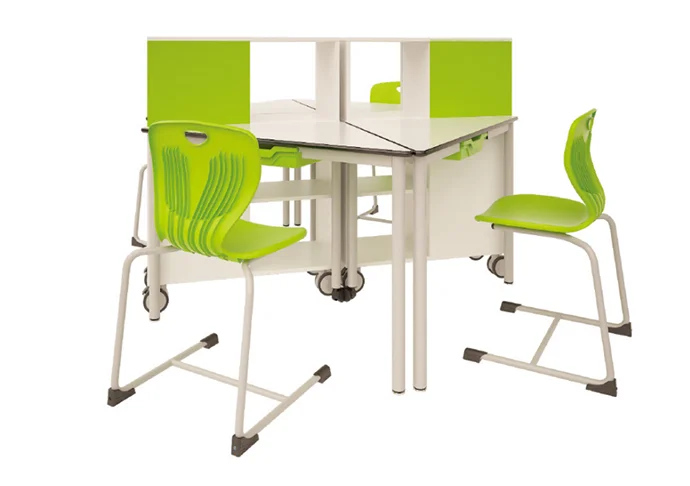
Modular student desks are designed to be easily reconfigured, allowing educators to modify the classroom layout according to specific activities or learning objectives. These desks can be grouped, moved, or rearranged effortlessly, accommodating different teaching styles such as group work, individual study, or lecture-based settings.
Benefits of Modular Student Desks
Utilizing modular desks brings numerous advantages to both educators and students. Here are some key benefits:
1. Enhanced Collaboration
Modular desks encourage collaboration among students. By allowing desks to be arranged in clusters or circles, students can engage in group discussions, peer-to-peer learning, and collaborative projects more effectively.
2. Increased Engagement
A flexible workspace keeps students engaged. With the ability to change their seating arrangements, students are less likely to become distracted and more likely to participate actively in their learning.
3. Customizable Learning Spaces
Teachers can customize the setup of their classrooms to suit specific lessons or activities. Whether it’s a science experiment requiring more space or a reading circle needing a cozy arrangement, modular desks make these transitions smooth and efficient.
4. Space Efficiency
Modular desks are often designed to maximize space. Their ability to stack or nest helps optimize classroom layouts, allowing schools to utilize their spaces more effectively.
5. Long-term Cost Efficiency
Investing in modular furniture can be more economical in the long run. Their durability and versatility mean that schools can adapt their environments without frequently needing to purchase new furniture.
Types of Modular Student Desks
Understanding the various types of modular student desks available can help educators make informed decisions that suit their specific classroom needs.
1. Collaborative Desks
These desks are designed for group work, often featuring rounded edges that facilitate easy movement and interaction. They typically accommodate multiple students, promoting teamwork and collaborative learning.
2. Individual Workstations
Individual modular desks allow students to work independently while still being part of a flexible classroom setup. They can often be connected to form larger work areas when needed.
3. Adjustable Desks
Adjustable desks can change height to accommodate students of different ages and sizes. This feature promotes ergonomic benefits and inclusion, ensuring that all students can work comfortably.
Factors to Consider When Choosing Modular Student Desks
When selecting the right modular desks for your classroom, consider the following factors:
1. Material and Durability
Desks should be made from high-quality, durable materials that can withstand daily use. Look for options that are stain-resistant and easy to clean.
2. Size and Configuration Options
Evaluate the size of your classroom and the potential configurations you might need. Choose desks that can be easily reconfigured for various learning activities.
3. Mobility
Desks with wheels enhance mobility, enabling quick and easy rearrangement of the classroom layout. This feature is particularly beneficial for dynamic teaching styles.
4. Comfort and Ergonomics
Ensure the desks provide adequate comfort and support for students. Ergonomic designs can prevent discomfort during long periods of sitting.
5. Budget Constraints
While it’s important to invest in quality furniture, consider your budget. Look for desks that offer a balance between quality and affordability without compromising on essential features.
Implementing Modular Desks in Your Classroom
Integrating modular desks into your classroom requires thoughtful planning and execution. Here are some strategies to ensure a smooth transition:
1. Assess Your Classroom Needs
Evaluate the specific needs of your classroom and teaching style. Consider how modular desks can enhance your existing setup and contribute to your teaching objectives.
2. Involve Students in the Process
Engage students in the decision-making process by discussing how they envision their ideal learning space. This engagement fosters a sense of ownership and helps tailor the environment to their needs.
3. Train Educators
Provide training for teachers on how to effectively use modular desks. This training can include strategies for leveraging the flexibility of the desks to enhance instruction.
4. Monitor and Adjust
Once modular desks are in use, monitor their effectiveness in improving student engagement and learning outcomes. Be open to making adjustments to the arrangement and usage of the desks based on feedback.
Frequently Asked Questions (FAQs)
1. Are modular desks suitable for all age groups?
Yes, modular desks can be designed to accommodate various age groups. Many manufacturers offer adjustable options that cater to different sizes and needs.
2. How do modular desks benefit remote learning?
Modular desks can facilitate hybrid learning environments by allowing for easy transitions between in-person and remote engagements. Their flexibility can support various learning formats.
3. Can modular desks be integrated with technology?
Absolutely. Many modular desks can be designed to accommodate technology such as computers, tablets, and charging stations, enhancing the learning experience.
4. What is the average lifespan of modular desks?
The lifespan of modular desks varies based on materials and usage, but quality options can last for many years, making them a worthwhile investment.
5. How do I maintain modular desks?
Regular cleaning and maintenance are essential. Most modular desks can be easily wiped down with appropriate cleaning solutions. Check for any loose parts or wear and tear periodically.
Conclusion
Modular student desks are undeniably a smart investment for modern classrooms. They promote flexibility, collaboration, and engagement, addressing the diverse needs of today’s learners. By choosing the right type of modular desk and implementing them thoughtfully in the classroom, educators can create an environment that not only supports educational objectives but also enhances the overall learning experience. Investing in modular desks is more than just a furniture choice; it’s a commitment to fostering a dynamic and effective educational environment.
Contact ESCO Furniture

Shortcut Menu
Get a Quote