Transforming Learning Spaces: The Advantages of Collaborative Classroom Desks
多行文本内容元素
富文本内容绑定数据后可解析HTML语言内容
Release time:
May 21,2026
Summary:In today’s educational landscape, the importance of collaboration in the classroom has become increasingly apparent. Collaborative classroom desks are designed to facilitate interaction among students, creating a dynamic learning environment that encourages teamwork and communication. These desks come in various configurations, making it easier to adapt to different teaching styles and group activ

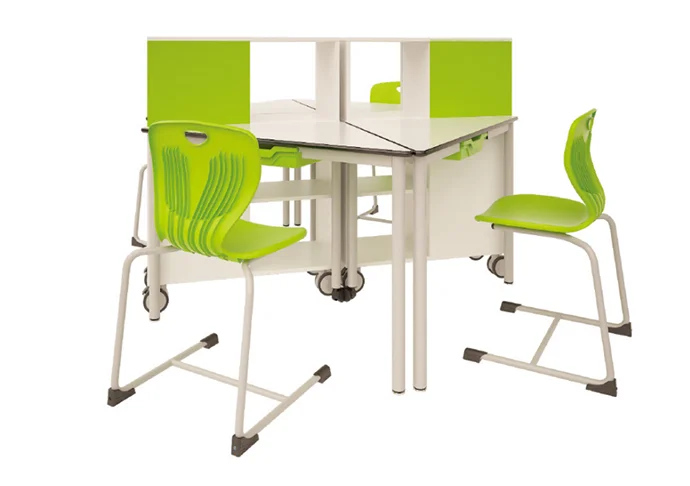
In today’s educational landscape, the importance of collaboration in the classroom has become increasingly apparent. Collaborative classroom desks are designed to facilitate interaction among students, creating a dynamic learning environment that encourages teamwork and communication. These desks come in various configurations, making it easier to adapt to different teaching styles and group activities.
One of the primary advantages of collaborative classroom desks is their versatility. They can be arranged in various layouts, such as circles, U-shapes, or clusters, to support group work and discussions. This flexibility allows educators to easily modify the classroom setup according to the lesson plan or the needs of the students. For instance, when a teacher wants to encourage group projects, they can easily rearrange the desks to foster collaboration.
Another significant benefit of collaborative classroom desks is that they promote student engagement. When students work together, they are more likely to participate actively in discussions and share ideas. This not only enhances their understanding of the subject matter but also builds essential social skills that are vital for their future endeavors. Additionally, when students are seated in close proximity, it encourages peer-to-peer learning, where they can help each other grasp complex concepts.
The design of collaborative classroom desks often considers ergonomics and comfort, ensuring that students can work effectively for extended periods. Many desks come equipped with features such as adjustable heights, storage compartments, and integrated technology options, making them suitable for various age groups and learning needs. Comfortable seating arrangements can significantly impact a student’s ability to focus and participate in activities, further enhancing the learning experience.
Furthermore, collaborative classroom desks can be beneficial in developing critical thinking skills. When students engage in group work, they are frequently challenged to articulate their thoughts, defend their ideas, and consider others’ perspectives. This dialogue fosters a deeper understanding of the subject matter and encourages students to think critically about what they are learning.
In conclusion, collaborative classroom desks offer numerous advantages that can transform educational settings. By promoting teamwork, flexibility, and engagement, these desks play a crucial role in creating an interactive and effective learning environment. As educational methodologies continue to evolve, integrating collaborative furniture into classrooms can significantly enhance the overall learning experience, preparing students for a collaborative world beyond school. When selecting desks, it is essential to consider factors such as design, functionality, and adaptability to ensure the best outcomes for both students and educators.
One of the primary advantages of collaborative classroom desks is their versatility. They can be arranged in various layouts, such as circles, U-shapes, or clusters, to support group work and discussions. This flexibility allows educators to easily modify the classroom setup according to the lesson plan or the needs of the students. For instance, when a teacher wants to encourage group projects, they can easily rearrange the desks to foster collaboration.
Another significant benefit of collaborative classroom desks is that they promote student engagement. When students work together, they are more likely to participate actively in discussions and share ideas. This not only enhances their understanding of the subject matter but also builds essential social skills that are vital for their future endeavors. Additionally, when students are seated in close proximity, it encourages peer-to-peer learning, where they can help each other grasp complex concepts.
The design of collaborative classroom desks often considers ergonomics and comfort, ensuring that students can work effectively for extended periods. Many desks come equipped with features such as adjustable heights, storage compartments, and integrated technology options, making them suitable for various age groups and learning needs. Comfortable seating arrangements can significantly impact a student’s ability to focus and participate in activities, further enhancing the learning experience.
Furthermore, collaborative classroom desks can be beneficial in developing critical thinking skills. When students engage in group work, they are frequently challenged to articulate their thoughts, defend their ideas, and consider others’ perspectives. This dialogue fosters a deeper understanding of the subject matter and encourages students to think critically about what they are learning.
In conclusion, collaborative classroom desks offer numerous advantages that can transform educational settings. By promoting teamwork, flexibility, and engagement, these desks play a crucial role in creating an interactive and effective learning environment. As educational methodologies continue to evolve, integrating collaborative furniture into classrooms can significantly enhance the overall learning experience, preparing students for a collaborative world beyond school. When selecting desks, it is essential to consider factors such as design, functionality, and adaptability to ensure the best outcomes for both students and educators.
Contact ESCO Furniture

Shortcut Menu
Get a Quote