Collaborative Learning Desks: A Key Element in Student-Centered Learning
多行文本内容元素
富文本内容绑定数据后可解析HTML语言内容
Release time:
May 19,2026
Summary:Collaborative Learning Desks: A Key Element in Student-Centered Learning
Table of Contents
Introduction to Collaborative Learning Desks
The Importance of Collaborative Learning in Education
Key Design Features of Collaborative Learning Desks
Benefits of Collaborative Learning Desks for Students
Implementing Collaborative Learning Desks in Classrooms
Challenges in Adopting

Collaborative Learning Desks: A Key Element in Student-Centered Learning
Table of Contents
- Introduction to Collaborative Learning Desks
- The Importance of Collaborative Learning in Education
- Key Design Features of Collaborative Learning Desks
- Benefits of Collaborative Learning Desks for Students
- Implementing Collaborative Learning Desks in Classrooms
- Challenges in Adopting Collaborative Learning Desks
- Case Studies: Successful Use of Collaborative Learning Desks
- The Future of Collaborative Learning Desks
- Frequently Asked Questions
- Conclusion: Embracing Collaborative Learning
Introduction to Collaborative Learning Desks
In today’s educational landscape, the traditional model of teaching is evolving. **Collaborative learning desks** are becoming essential in promoting **student-centered learning** approaches. These desks are designed to facilitate interaction and collaboration among students, reshaping how they engage with each other and the learning material. By enabling flexible arrangements and group work, collaborative learning desks encourage active participation, essential for developing critical thinking and problem-solving skills.
The Importance of Collaborative Learning in Education
Collaborative learning fosters an environment where students can share ideas, challenge each other’s perspectives, and learn from their peers. This approach is pivotal in developing essential life skills such as communication, teamwork, and adaptability.
When students engage in collaborative learning, they take ownership of their educational experience, often resulting in deeper understanding and retention of knowledge. The focus shifts from the teacher as the sole source of information to a more distributed model where students learn from one another. This method not only enhances academic performance but also prepares students for real-world challenges where teamwork and collaboration are crucial.
Enhancing Engagement through Collaboration
Engagement is a critical factor in effective learning. Studies show that students who participate in collaborative learning are more likely to stay motivated and engaged in their studies. By incorporating collaborative learning desks, educators can create a dynamic classroom environment that captures students' interest and encourages them to take an active role in their education.
Supporting Diverse Learning Styles
Every student has a unique learning style. Collaborative learning desks support various approaches to learning, catering to visual, auditory, and kinesthetic learners. By allowing students to work together, they can leverage their strengths and compensate for their weaknesses, creating a more inclusive environment for all.
Key Design Features of Collaborative Learning Desks
Designing effective collaborative learning desks requires careful consideration of various factors. These desks should be adaptable, functional, and conducive to teamwork.
Flexible Arrangements
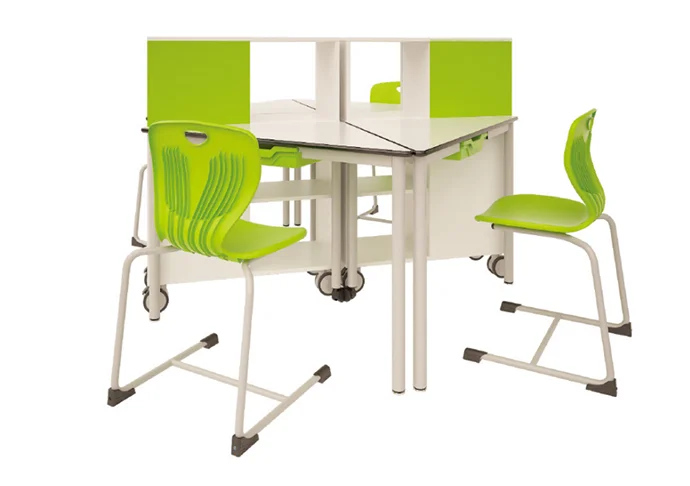
One of the most significant advantages of collaborative learning desks is their ability to be rearranged easily. Desks that can be grouped together or separated allow educators to facilitate different types of activities, from group discussions to project work.
Ergonomic Considerations
Comfort is paramount in learning environments. Collaborative desks should be ergonomically designed to accommodate various body types and sizes, ensuring that students can work comfortably for extended periods.
Technology Integration
Incorporating technology into collaborative learning desks can enhance the educational experience. Features such as built-in charging ports, connectivity for devices, and integrated screens promote the use of digital resources and collaborative tools.
Benefits of Collaborative Learning Desks for Students
The advantages of incorporating collaborative learning desks in educational settings extend beyond mere aesthetics. They provide numerous benefits that significantly impact student learning.
Developing Critical Thinking Skills
When students engage with their peers in collaborative tasks, they are challenged to think critically and articulate their ideas. This process fosters higher-order thinking, enabling students to analyze information deeply and arrive at reasoned conclusions.
Strengthening Social Skills
Collaborative learning inherently involves communication and interaction. Students learn to listen actively, express their thoughts clearly, and offer constructive feedback. These social skills are essential for success both inside and outside the classroom.
Encouraging Responsibility and Accountability
Working in groups requires students to take on specific roles and responsibilities. This sense of accountability encourages them to contribute actively to their teams, reinforcing the importance of collective effort in achieving shared goals.
Implementing Collaborative Learning Desks in Classrooms
Successfully integrating collaborative learning desks into classrooms requires strategic planning and execution.
Assessing Classroom Needs
Before introducing collaborative learning desks, educators should assess their classrooms' unique needs and goals. Understanding the student demographic, learning objectives, and classroom dynamics will inform the design and implementation process.
Training Educators
Teachers play a vital role in the successful adoption of collaborative learning desks. Providing professional development opportunities focused on collaborative learning strategies will equip educators with the skills to maximize the potential of these desks.
Creating a Collaborative Culture
Establishing a culture of collaboration within the classroom is essential. Teachers should model collaborative behavior, encourage peer feedback, and create an environment where students feel safe to share their thoughts and ideas.
Challenges in Adopting Collaborative Learning Desks
Despite the benefits, some challenges may arise when implementing collaborative learning desks in classrooms.
Classroom Management
Maintaining order in a collaborative environment can be challenging. Teachers must develop effective classroom management strategies to ensure that students remain focused and productive during group activities.
Resistance to Change
Some educators may be hesitant to embrace collaborative learning due to a preference for traditional teaching methods. Overcoming this resistance requires demonstrating the value of collaborative learning through evidence-based practices and success stories.
Resource Constraints
Budget limitations may hinder schools from acquiring high-quality collaborative learning desks. Seeking alternative funding sources or exploring cost-effective options can help mitigate this challenge.
Case Studies: Successful Use of Collaborative Learning Desks
Several schools worldwide have successfully implemented collaborative learning desks, resulting in positive outcomes for students.
Case Study 1: An Innovative Primary School
A primary school in California introduced flexible collaborative desks, allowing students to form groups based on their project needs. Teachers reported increased student engagement and improved academic performance, as students felt more connected to their learning.
Case Study 2: A Secondary School Transformation
A secondary school in New York revamped its traditional classroom layout by incorporating collaborative desks. The result was a noticeable improvement in student collaboration and communication. Teachers observed that students became more confident in expressing their ideas and working together.
The Future of Collaborative Learning Desks
As educational practices continue to evolve, the future of collaborative learning desks looks promising. Ongoing research will likely lead to new insights regarding classroom design and student engagement.
Integration with Emerging Technologies
The integration of augmented and virtual reality into collaborative learning spaces may revolutionize how students interact with learning materials and each other. These technologies will enhance the collaborative experience, making learning more immersive and engaging.
Sustainability in Design
Future designs for collaborative learning desks will likely prioritize sustainability, utilizing eco-friendly materials and production methods. This shift not only supports environmental initiatives but also teaches students about the importance of sustainability.
Frequently Asked Questions
1. What are collaborative learning desks?
Collaborative learning desks are specially designed furniture pieces that facilitate group work, allowing students to interact and engage in collaborative learning activities.
2. How do collaborative learning desks benefit students?
They promote engagement, enhance social skills, develop critical thinking, and encourage responsibility and accountability among students.
3. What features should I look for in collaborative learning desks?
Key features include flexibility, ergonomic design, and technology integration to support dynamic learning environments.
4. How can teachers effectively manage a collaborative classroom?
Establishing clear expectations, modeling collaborative behavior, and implementing effective classroom management strategies can help maintain productivity in a collaborative environment.
5. Are there challenges in implementing collaborative learning desks?
Yes, challenges may include classroom management, resistance to change, and resource constraints. Addressing these issues through planning and education is essential.
Conclusion: Embracing Collaborative Learning
Collaborative learning desks are more than just furniture; they represent a shift towards a more inclusive and engaging educational model. By fostering collaboration and student-centered learning, these desks empower students to take an active role in their education, preparing them for success in an increasingly interconnected world. As we continue to embrace innovative teaching practices, the potential for collaborative learning desks to transform classrooms is immense. Investing in this vital element of education will nurture future generations of thinkers, creators, and leaders.
Contact ESCO Furniture

Shortcut Menu
Get a Quote