The Importance of Ergonomic Student Chairs for Optimal Learning
多行文本内容元素
富文本内容绑定数据后可解析HTML语言内容
Release time:
May 25,2026
Summary:In today's fast-paced educational environment, the importance of comfortable and supportive seating options cannot be overstated, especially for young learners. An ergonomic student chair is designed to promote healthy posture, support physical development, and enhance the learning experience. When considering the selection of furniture for children, it is vital to understand the impact that ergon

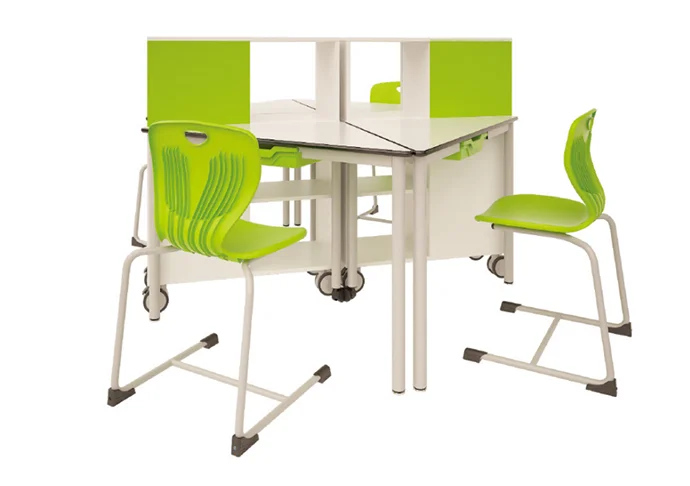
In today's fast-paced educational environment, the importance of comfortable and supportive seating options cannot be overstated, especially for young learners. An ergonomic student chair is designed to promote healthy posture, support physical development, and enhance the learning experience. When considering the selection of furniture for children, it is vital to understand the impact that ergonomics can have on their well-being and academic success.
Research indicates that students who sit in ergonomic chairs experience less discomfort and fatigue during extended periods of study. Properly designed ergonomic chairs provide adjustable features that can accommodate the growing bodies of children, ensuring that they maintain a natural posture while sitting. This, in turn, helps to reduce the risk of musculoskeletal issues that can arise from prolonged poor seating habits.
One of the primary benefits of ergonomic student chairs is their ability to encourage active learning. When students are comfortable and well-supported, they are more likely to engage with their tasks, participate in classroom discussions, and focus on their studies. An effective ergonomic chair allows children to shift positions easily, promoting movement that can enhance concentration and cognitive performance.
Moreover, the integration of ergonomic principles in furniture design aligns with current educational philosophies that emphasize the importance of a conducive learning environment. Research has shown that students in environments that prioritize comfort and ergonomics tend to perform better academically. For example, a study published in the Journal of Educational Psychology found that students with access to ergonomic seating options reported higher levels of engagement and satisfaction in their learning experiences.
As professionals in the furniture industry, particularly in the sector of children's furniture, it's essential to advocate for the adoption of ergonomic designs. Not only do these chairs support the physical health of young students, but they also contribute to a more positive educational atmosphere. Parents and educators alike are increasingly recognizing the value of investing in quality, ergonomic furniture for children.
In conclusion, the role of ergonomic student chairs in enhancing the learning experience cannot be overlooked. By providing a comfortable and supportive seating option, we can significantly impact children's focus, health, and academic performance. As you continue to explore innovative designs in children's furniture, consider the profound benefits that ergonomic student chairs can offer to young learners in their educational journeys.
Research indicates that students who sit in ergonomic chairs experience less discomfort and fatigue during extended periods of study. Properly designed ergonomic chairs provide adjustable features that can accommodate the growing bodies of children, ensuring that they maintain a natural posture while sitting. This, in turn, helps to reduce the risk of musculoskeletal issues that can arise from prolonged poor seating habits.
One of the primary benefits of ergonomic student chairs is their ability to encourage active learning. When students are comfortable and well-supported, they are more likely to engage with their tasks, participate in classroom discussions, and focus on their studies. An effective ergonomic chair allows children to shift positions easily, promoting movement that can enhance concentration and cognitive performance.
Moreover, the integration of ergonomic principles in furniture design aligns with current educational philosophies that emphasize the importance of a conducive learning environment. Research has shown that students in environments that prioritize comfort and ergonomics tend to perform better academically. For example, a study published in the Journal of Educational Psychology found that students with access to ergonomic seating options reported higher levels of engagement and satisfaction in their learning experiences.
As professionals in the furniture industry, particularly in the sector of children's furniture, it's essential to advocate for the adoption of ergonomic designs. Not only do these chairs support the physical health of young students, but they also contribute to a more positive educational atmosphere. Parents and educators alike are increasingly recognizing the value of investing in quality, ergonomic furniture for children.
In conclusion, the role of ergonomic student chairs in enhancing the learning experience cannot be overlooked. By providing a comfortable and supportive seating option, we can significantly impact children's focus, health, and academic performance. As you continue to explore innovative designs in children's furniture, consider the profound benefits that ergonomic student chairs can offer to young learners in their educational journeys.
Contact ESCO Furniture

Shortcut Menu
Get a Quote