Enhancing Collaboration: The Benefits of Collaborative Learning Desks
多行文本内容元素
富文本内容绑定数据后可解析HTML语言内容
Release time:
Jan 25,2026
Summary:In recent years, the concept of collaborative learning has gained significant traction across various educational and professional environments. At the heart of this movement are collaborative learning desks, which are designed to facilitate interaction and cooperation among users. These versatile pieces of furniture provide a comfortable and dynamic space for individuals to work together, share i

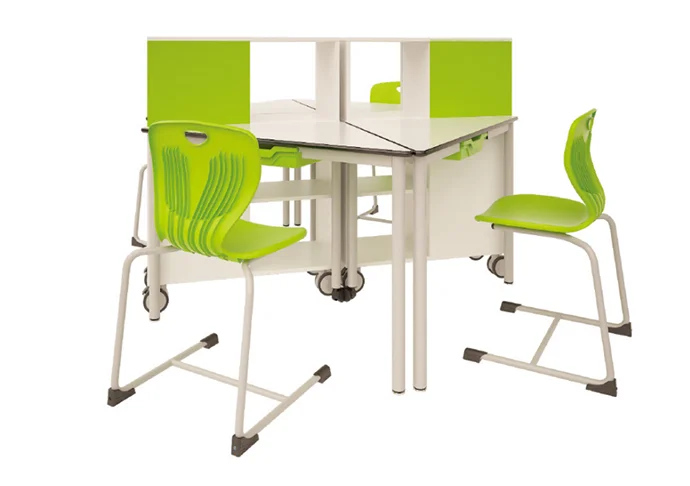
In recent years, the concept of collaborative learning has gained significant traction across various educational and professional environments. At the heart of this movement are collaborative learning desks, which are designed to facilitate interaction and cooperation among users. These versatile pieces of furniture provide a comfortable and dynamic space for individuals to work together, share ideas, and engage in group tasks.
One of the primary benefits of collaborative learning desks is their ability to promote effective communication. These desks are often configured to allow multiple users to sit together in a way that encourages eye contact and conversation. This design not only enhances interpersonal relationships but also helps create a more engaging learning environment. When individuals can easily communicate and collaborate, they are more likely to share diverse perspectives and generate innovative solutions to problems.
Moreover, collaborative learning desks cater to various learning styles and preferences. Many modern designs incorporate adjustable features, allowing users to change their seating arrangements, desk heights, and configurations. This adaptability enables individuals to choose the setup that best suits their needs, whether they prefer a traditional seated arrangement or a standing collaborative space. By accommodating different preferences, these desks can enhance the overall learning experience, making it more inclusive and effective for all participants.
Another aspect of collaborative learning desks is their contribution to enhancing creativity. When individuals work together in a collaborative setting, they can brainstorm and develop ideas collectively. The interaction sparked by these desks can lead to a free flow of ideas, encouraging users to think outside the box. This creative synergy can be particularly beneficial in educational settings, where the goal is often to foster critical thinking and problem-solving skills.
In addition to their functional advantages, collaborative learning desks also contribute to overall well-being. A well-designed collaborative desk encourages movement and flexibility, which can combat the negative effects of prolonged sitting. By providing options for standing or alternate seating arrangements, these desks can help maintain energy levels and reduce fatigue among users. This focus on ergonomics is essential for promoting health and comfort in both educational and work environments.
Furthermore, the integration of technology in collaborative learning desks can enhance the learning experience even further. Many modern desks are equipped with power outlets, USB ports, and connectivity options that allow users to easily connect their devices. This technological integration supports seamless collaboration and information sharing, making it easier for teams to engage in digital projects or presentations.
In conclusion, collaborative learning desks play a crucial role in modern educational and professional settings by fostering communication, accommodating diverse learning styles, enhancing creativity, promoting well-being, and integrating technology. As organizations and institutions continue to prioritize collaborative approaches to learning and teamwork, investing in these innovative desks could be a pivotal step towards creating more effective, engaging, and productive environments.
One of the primary benefits of collaborative learning desks is their ability to promote effective communication. These desks are often configured to allow multiple users to sit together in a way that encourages eye contact and conversation. This design not only enhances interpersonal relationships but also helps create a more engaging learning environment. When individuals can easily communicate and collaborate, they are more likely to share diverse perspectives and generate innovative solutions to problems.
Moreover, collaborative learning desks cater to various learning styles and preferences. Many modern designs incorporate adjustable features, allowing users to change their seating arrangements, desk heights, and configurations. This adaptability enables individuals to choose the setup that best suits their needs, whether they prefer a traditional seated arrangement or a standing collaborative space. By accommodating different preferences, these desks can enhance the overall learning experience, making it more inclusive and effective for all participants.
Another aspect of collaborative learning desks is their contribution to enhancing creativity. When individuals work together in a collaborative setting, they can brainstorm and develop ideas collectively. The interaction sparked by these desks can lead to a free flow of ideas, encouraging users to think outside the box. This creative synergy can be particularly beneficial in educational settings, where the goal is often to foster critical thinking and problem-solving skills.
In addition to their functional advantages, collaborative learning desks also contribute to overall well-being. A well-designed collaborative desk encourages movement and flexibility, which can combat the negative effects of prolonged sitting. By providing options for standing or alternate seating arrangements, these desks can help maintain energy levels and reduce fatigue among users. This focus on ergonomics is essential for promoting health and comfort in both educational and work environments.
Furthermore, the integration of technology in collaborative learning desks can enhance the learning experience even further. Many modern desks are equipped with power outlets, USB ports, and connectivity options that allow users to easily connect their devices. This technological integration supports seamless collaboration and information sharing, making it easier for teams to engage in digital projects or presentations.
In conclusion, collaborative learning desks play a crucial role in modern educational and professional settings by fostering communication, accommodating diverse learning styles, enhancing creativity, promoting well-being, and integrating technology. As organizations and institutions continue to prioritize collaborative approaches to learning and teamwork, investing in these innovative desks could be a pivotal step towards creating more effective, engaging, and productive environments.
Contact ESCO Furniture

Shortcut Menu
Get a Quote