Collaborative Classroom Desks: A Key to Effective Team Learning
多行文本内容元素
富文本内容绑定数据后可解析HTML语言内容
Release time:
Jan 27,2026
Summary:Collaborative Classroom Desks: A Key to Effective Team Learning
Introduction to Collaborative Classroom Desks
In today’s educational landscape, the traditional approach to learning is evolving. **Collaborative classroom desks** are at the forefront of this shift, representing a critical component in fostering **team-based learning**. These desks are designed not just for individual work but to enc

Collaborative Classroom Desks: A Key to Effective Team Learning
Introduction to Collaborative Classroom Desks
In today’s educational landscape, the traditional approach to learning is evolving. **Collaborative classroom desks** are at the forefront of this shift, representing a critical component in fostering **team-based learning**. These desks are designed not just for individual work but to encourage interaction, discussion, and cooperation among students. As we navigate through this article, we will explore the significance of collaborative classroom desks and how they can enhance learning outcomes.
The Importance of Collaborative Learning
Learning is not a solitary activity; it thrives in an environment where ideas are shared, challenged, and developed collectively. Collaborative learning encourages students to work together, facilitating skill development in communication, problem-solving, and critical thinking.
Benefits of Collaborative Learning in the Classroom
1. **Enhanced Communication Skills**: Students learn to articulate their thoughts clearly and listen to others, enhancing their overall communication capabilities.
2. **Social Skills Development**: Working in teams fosters social interactions, helping students build relationships and develop empathy.
3. **Diverse Perspectives**: Collaboration allows students to encounter a variety of viewpoints, enriching their understanding and promoting open-mindedness.
4. **Active Engagement**: Group work keeps students actively involved, reducing the likelihood of disengagement during lessons.
Features of Collaborative Classroom Desks
Collaborative classroom desks come in various designs tailored to meet the dynamic needs of students.
Flexible Configurations
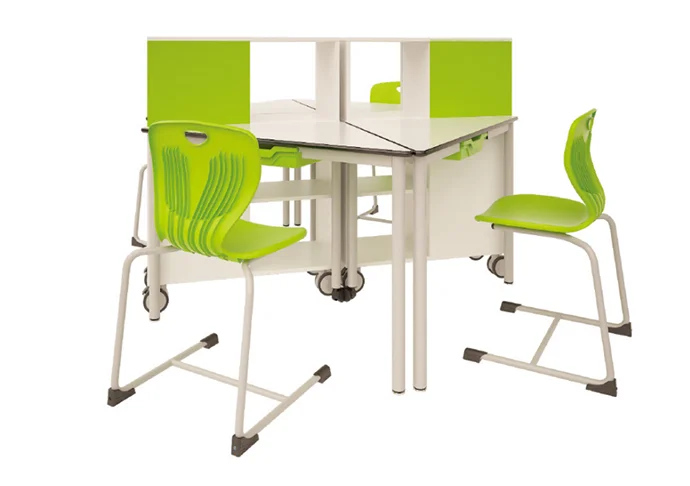
One of the most notable features is their **flexibility**. Collaborative desks can be easily rearranged to accommodate various group sizes and activities, enabling educators to adapt the classroom layout for different learning scenarios.
Ergonomic Design
Modern collaborative desks are designed with ergonomics in mind, ensuring students can work comfortably for extended periods. This feature helps maintain focus and productivity, which are crucial for effective learning.
Technology Integration
Many collaborative desks now come equipped with integrated technology options, such as charging ports and built-in screens, facilitating a seamless blend of digital and physical learning experiences.
Choosing the Right Collaborative Desks for Your Classroom
When selecting the right collaborative desks for your classroom, several factors should be considered to maximize their effectiveness in promoting team learning.
Assessing Classroom Space
Evaluate your classroom layout to determine how many desks you can fit without overcrowding. The design should support easy movement and interaction among students.
Consider the Learning Activities
Identify the types of collaborative activities you plan to engage students in. Some desks might be better suited for small group collaborations, while others can accommodate larger teams.
Durability and Maintenance
Invest in desks made from durable materials that can withstand daily use. Additionally, consider the ease of cleaning and maintenance, as classrooms can often become messy environments.
Implementing Collaborative Desks in Your Classroom
Successfully integrating collaborative desks into your classroom involves strategic planning and execution.
Training Teachers and Students
Provide training for both educators and students on how to effectively use collaborative desks. Understanding how to maximize their potential can lead to a more fruitful learning experience.
Creating a Collaborative Culture
Establish a classroom culture that values collaboration. Encourage students to share ideas and support one another, fostering a positive environment for group work.
Incorporating Technology
Utilize the technological features of collaborative desks to enhance lessons. Encourage students to use devices for research or presentations during group activities.
Success Stories: Real-World Applications of Collaborative Desks
Many schools and educational institutions that have adopted collaborative desks report significant improvements in student engagement and learning outcomes.
Case Study: Innovative Schools Leading the Way
One notable example is a school district that revamped its classroom designs to include collaborative desks. Teachers observed a marked increase in student interaction and participation, leading to higher academic performance and satisfaction.
Feedback from Educators
Educators have shared that collaborative desks have transformed their teaching methods, allowing for more dynamic lesson plans that cater to various learning styles.
Potential Challenges and Solutions
While collaborative desks offer numerous benefits, there are potential challenges that educators may face.
Classroom Management
Maintaining order in a collaborative environment can be difficult. Establish clear rules and procedures for group work to ensure that students stay focused and productive.
Student Resistance
Some students may initially resist collaborative work due to discomfort or a preference for individual tasks. Encourage participation by gradually introducing group activities and highlighting their benefits.
Balancing Group Dynamics
Different personalities can affect group dynamics. As a teacher, monitor group interactions and intervene when necessary to ensure every voice is heard.
Future Trends in Collaborative Classroom Design
The future of collaborative classroom design is bright, with continued innovation in furniture and learning environments.
Increased Use of Technology
As technology becomes more integrated into education, collaborative desks are likely to evolve. Expect to see features that enhance connectivity and interactivity among students.
Focus on Sustainability
Sustainable materials and eco-friendly designs will also influence the future of collaborative desks, aligning with the growing emphasis on environmental responsibility in education.
Customizable Designs
The trend towards personalization in education will lead to more customizable desks that allow schools to tailor the learning environment to their specific needs.
Frequently Asked Questions (FAQs)
1. What are collaborative classroom desks?
Collaborative classroom desks are specially designed furniture pieces that facilitate teamwork and interaction among students. They allow for flexible seating arrangements and support various group activities.
2. How do collaborative desks enhance learning?
They promote communication, social skills, and active engagement among students, leading to improved academic outcomes and a richer learning experience.
3. Are collaborative desks suitable for all age groups?
Yes, collaborative desks can be adapted for various age groups, from elementary to higher education, making them versatile for different learning environments.
4. Can collaborative desks accommodate technology?
Many modern collaborative desks include technology features, such as charging ports and screens, making them ideal for digital learning.
5. What challenges might educators face when using collaborative desks?
Challenges include classroom management, student resistance to group work, and balancing group dynamics. However, these can be addressed with proper strategies and training.
Conclusion
Collaborative classroom desks are more than just furniture; they represent a shift towards a more interactive and engaging approach to learning. By fostering teamwork and enhancing communication, these desks play a pivotal role in preparing students for the challenges of the modern world. As educators and institutions continue to embrace collaborative learning, aligning classroom setups with innovative designs, the future of education looks promising. Investing in collaborative desks can lead to a more dynamic and effective learning environment, ultimately reaping long-term benefits for students and teachers alike.
Contact ESCO Furniture

Shortcut Menu
Get a Quote