Creating Collaborative Learning Environments: The Power of Student Desks
多行文本内容元素
富文本内容绑定数据后可解析HTML语言内容
Release time:
Jan 23,2026
Summary:Creating Collaborative Learning Environments: The Power of Student Desks
Table of Contents
Introduction: The Importance of Collaboration in Education
Understanding Collaboration in the Classroom
Benefits of Collaborative Learning
Designing Collaborative Zones with Student Desks
Flexible Furniture Arrangements for Enhanced Interaction
Creating Focus

Creating Collaborative Learning Environments: The Power of Student Desks
Table of Contents
- Introduction: The Importance of Collaboration in Education
- Understanding Collaboration in the Classroom
- Benefits of Collaborative Learning
- Designing Collaborative Zones with Student Desks
- Flexible Furniture Arrangements for Enhanced Interaction
- Creating Focus Zones for Task-Oriented Work
- Furniture Considerations for Collaborative Desks
- Strategies for Engaging Students in Collaborative Work
- Integrating Technology in Collaborative Spaces
- Case Studies: Successful Collaborative Learning Environments
- Conclusion: The Future of Collaborative Learning
- FAQs: Common Questions About Collaborative Learning and Student Desks
Introduction: The Importance of Collaboration in Education
In today's educational landscape, the ability to collaborate effectively is increasingly recognized as a vital skill for students. **Creating zones for collaboration using student desks** not only enhances engagement but also fosters deeper learning experiences. As educators, we recognize that collaboration is not merely a buzzword; it is a fundamental aspect of how students learn and thrive. By strategically placing desks and creating collaborative spaces, we can significantly enhance the learning experience.
Understanding Collaboration in the Classroom
Collaboration in the classroom refers to students working together to achieve a common goal or solve a problem. This method encourages interaction, communication, and teamwork, essential skills for the 21st century. **Research indicates that collaborative learning can improve critical thinking skills and increase retention rates**. Understanding how to implement collaborative strategies effectively is crucial for educators aiming to create dynamic learning environments.
Benefits of Collaborative Learning
The benefits of collaborative learning are numerous:
1. **Enhanced Critical Thinking**: Students learn to approach problems from multiple perspectives, which enhances their analytical skills.
2. **Improved Social Skills**: Working in teams helps students develop essential interpersonal skills, such as communication, negotiation, and conflict resolution.
3. **Increased Engagement**: Collaborative environments often lead to higher levels of student engagement, as students feel more invested in their learning process.
4. **Diverse Learning Opportunities**: Collaboration exposes students to unique ideas and viewpoints, enhancing creativity and innovation.
Designing Collaborative Zones with Student Desks
Creating effective collaborative zones requires careful planning and a keen understanding of how students interact within a space. Here are some strategies to consider:
Flexible Furniture Arrangements for Enhanced Interaction
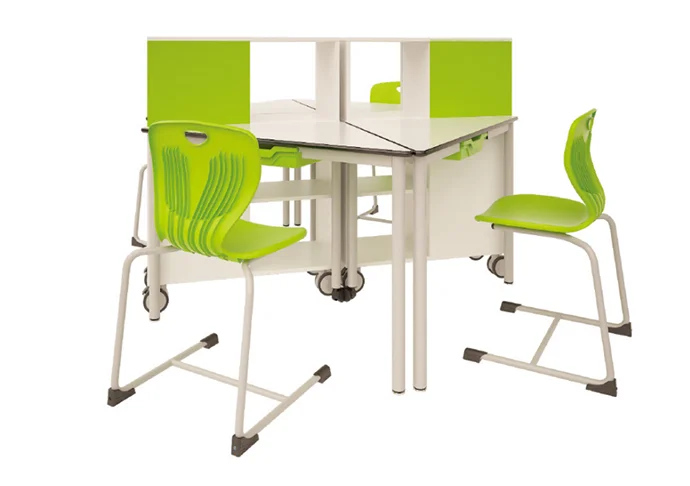
One of the most effective ways to foster collaboration is through flexible furniture arrangements. **Student desks should be movable and adaptable** to accommodate various group sizes and activities. Here are some tips for designing flexible spaces:
- **Group Desks Together**: Arrange desks in clusters to facilitate face-to-face interaction.
- **Utilize Round Tables**: Round tables encourage discussion and ensure that every student feels included.
- **Create Open Spaces**: Leave areas open for movement and group activities, allowing students to rearrange desks as needed.
Creating Focus Zones for Task-Oriented Work
While collaboration is essential, there are times when students need to focus individually or work on specific tasks. **Designated focus zones can complement collaborative areas** by providing spaces where students can concentrate. Consider the following:
- **Quiet Areas**: Create zones with minimal distractions for students who need to focus on reading or solitary assignments.
- **Resource Stations**: Set up areas with supplies and resources easily accessible for group projects, enhancing collaboration while allowing for focused work.
Furniture Considerations for Collaborative Desks
When choosing furniture for collaborative learning environments, consider the following aspects:
1. **Ergonomics**: Ensure that desks and chairs are comfortable and promote good posture, as students may spend long hours working collaboratively.
2. **Durability**: Select sturdy materials that can withstand frequent rearranging and heavy use.
3. **Technology Integration**: Consider desks with built-in power outlets or charging stations to support technology use during collaborative activities.
Strategies for Engaging Students in Collaborative Work
Engagement is critical to the success of collaborative learning. Here are some strategies to enhance student involvement:
1. **Structured Group Activities**: Provide clear guidelines and objectives for group work to keep students focused and engaged.
2. **Role Assignment**: Assign specific roles within groups to ensure accountability and encourage participation from all members.
3. **Regular Reflection**: Encourage students to reflect on their collaborative experiences, discussing what worked well and what could be improved.
Integrating Technology in Collaborative Spaces
Incorporating technology into collaborative learning environments can significantly enhance engagement and productivity. Here's how to effectively integrate technology:
1. **Collaborative Tools**: Use platforms like Google Workspace or Microsoft Teams to facilitate online collaboration, especially for remote or hybrid learning.
2. **Interactive Whiteboards**: Install interactive whiteboards or screens that allow students to share ideas and work together in real-time.
3. **Digital Project Management Tools**: Introduce tools like Trello or Asana to help students manage group projects efficiently.
Case Studies: Successful Collaborative Learning Environments
Examining successful collaborative learning environments can provide valuable insights. Here are a few notable examples:
1. **High Tech High**: Located in San Diego, this charter school employs project-based learning with flexible spaces that promote collaboration among students.
2. **The Innovation School**: This school emphasizes self-directed learning and utilizes a variety of zones for collaboration, including maker spaces and quiet study areas.
3. **Google’s Campus**: Google's workspaces are designed to facilitate collaboration, featuring open areas, movable furniture, and technology integration that fosters teamwork.
Conclusion: The Future of Collaborative Learning
Creating zones for collaboration using student desks is not just about furniture arrangement; it is about fostering an environment that promotes interaction, creativity, and engagement. As we continue to explore innovative teaching methods and classroom designs, the emphasis on collaboration will only grow. By implementing thoughtful strategies for desk configuration and incorporating technology, educators can create dynamic learning experiences that prepare students for the challenges of the future.
FAQs: Common Questions About Collaborative Learning and Student Desks
1. What types of desks are best for collaborative learning?
Flexible, mobile desks that can be easily arranged into groups are ideal for collaborative learning. Round tables also enhance interaction among students.
2. How can I encourage quieter students to participate in group work?
Assign specific roles within groups to ensure every student has a task. Additionally, creating a supportive environment where all contributions are valued can help boost confidence.
3. What are some effective strategies for managing group dynamics?
Set clear expectations for group work, monitor interactions, and facilitate discussions to ensure that all voices are heard and respected.
4. How can technology enhance collaborative learning?
Technology can provide tools for communication, project management, and real-time collaboration, making it easier for students to work together, whether in-person or remotely.
5. Is collaborative learning suitable for all subjects?
Yes, collaborative learning can be adapted to suit various subjects, from STEM to the arts, by encouraging teamwork and problem-solving across disciplines.
Contact ESCO Furniture

Shortcut Menu
Get a Quote