The Importance of Ergonomic Student Chairs for Enhancing Learning Environments
多行文本内容元素
富文本内容绑定数据后可解析HTML语言内容
Release time:
Apr 23,2026
Summary:As the awareness of ergonomics grows in various sectors, the educational environment has not been left behind. An ergonomic student chair is not just a piece of furniture; it is a vital component that can significantly influence a child's learning experience. Typically designed to support the natural curvature of the spine, these chairs help mitigate the risk of musculoskeletal issues that can ari

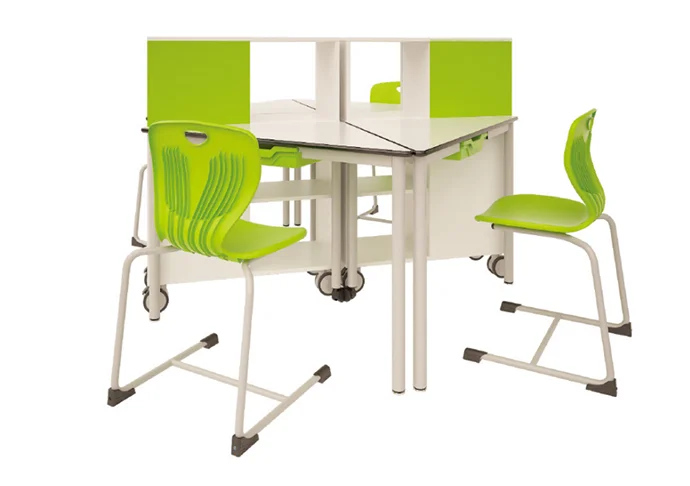
As the awareness of ergonomics grows in various sectors, the educational environment has not been left behind. An ergonomic student chair is not just a piece of furniture; it is a vital component that can significantly influence a child's learning experience. Typically designed to support the natural curvature of the spine, these chairs help mitigate the risk of musculoskeletal issues that can arise from prolonged sitting.
When considering the design of an ergonomic student chair, several features stand out. Adjustable seat height is critical, as it allows the chair to accommodate children of various sizes, ensuring that their feet can rest flat on the ground, which promotes better posture. Additionally, lumbar support is another essential element; it helps maintain the natural curve of the lower back, preventing slouching and back pain.
Another aspect to consider is the material of the chair. Breathable fabrics and foam cushioning can enhance comfort during extended periods of use. Furthermore, lightweight designs facilitate easy mobility, allowing students to shift their seating arrangement as needed, promoting collaboration and interaction among peers.
In addition to physical comfort, ergonomic student chairs can also contribute to improved focus and productivity. A well-designed chair can minimize distractions related to discomfort, allowing students to engage more fully with their studies. Research has shown that students seated in ergonomic chairs often report higher levels of concentration and a more positive attitude towards learning.
Incorporating ergonomic furniture into educational settings is not just about aesthetics; it is about fostering an environment where children can thrive. Educators and parents alike should prioritize the selection of ergonomic student chairs, recognizing their role in promoting healthy habits from a young age. This investment in student well-being can yield significant long-term benefits, including better academic performance and overall health.
In conclusion, the significance of ergonomic student chairs extends beyond mere comfort; they are essential for creating an effective learning environment. By understanding the importance of these chairs and their role in supporting a child's physical health and academic success, stakeholders in educational settings can make informed decisions that benefit students in the long run. Embracing ergonomic design is a step toward cultivating a brighter, healthier future for our children.
When considering the design of an ergonomic student chair, several features stand out. Adjustable seat height is critical, as it allows the chair to accommodate children of various sizes, ensuring that their feet can rest flat on the ground, which promotes better posture. Additionally, lumbar support is another essential element; it helps maintain the natural curve of the lower back, preventing slouching and back pain.
Another aspect to consider is the material of the chair. Breathable fabrics and foam cushioning can enhance comfort during extended periods of use. Furthermore, lightweight designs facilitate easy mobility, allowing students to shift their seating arrangement as needed, promoting collaboration and interaction among peers.
In addition to physical comfort, ergonomic student chairs can also contribute to improved focus and productivity. A well-designed chair can minimize distractions related to discomfort, allowing students to engage more fully with their studies. Research has shown that students seated in ergonomic chairs often report higher levels of concentration and a more positive attitude towards learning.
Incorporating ergonomic furniture into educational settings is not just about aesthetics; it is about fostering an environment where children can thrive. Educators and parents alike should prioritize the selection of ergonomic student chairs, recognizing their role in promoting healthy habits from a young age. This investment in student well-being can yield significant long-term benefits, including better academic performance and overall health.
In conclusion, the significance of ergonomic student chairs extends beyond mere comfort; they are essential for creating an effective learning environment. By understanding the importance of these chairs and their role in supporting a child's physical health and academic success, stakeholders in educational settings can make informed decisions that benefit students in the long run. Embracing ergonomic design is a step toward cultivating a brighter, healthier future for our children.
Contact ESCO Furniture

Shortcut Menu
Get a Quote