Maximizing Space: The Advantages of Collaborative Learning Desks
多行文本内容元素
富文本内容绑定数据后可解析HTML语言内容
Release time:
Apr 21,2026
Summary:Maximizing Space: The Advantages of Collaborative Learning Desks
Table of Contents
Introduction: The Rise of Collaborative Learning
What Are Collaborative Learning Desks?
The Benefits of Collaborative Learning Desks
Enhanced Engagement and Interaction
Space Efficiency and Flexibility
Improved Collaboration and Teamwork
Supportin

Maximizing Space: The Advantages of Collaborative Learning Desks
Table of Contents
- Introduction: The Rise of Collaborative Learning
- What Are Collaborative Learning Desks?
- The Benefits of Collaborative Learning Desks
- Enhanced Engagement and Interaction
- Space Efficiency and Flexibility
- Improved Collaboration and Teamwork
- Supporting Diverse Learning Styles
- Design Considerations for Collaborative Learning Desks
- Implementing Collaborative Learning Desks in Your Classroom
- Case Studies: Successful Implementation
- Frequently Asked Questions
- Conclusion: Embracing the Future of Learning Spaces
Introduction: The Rise of Collaborative Learning
In today's educational landscape, the **traditional classroom setup** is evolving. With a growing emphasis on **collaborative learning**, educators are seeking innovative furniture solutions to facilitate this shift. **Collaborative learning desks** are at the forefront of this revolution, providing flexible and dynamic spaces that encourage student interaction and engagement. In this article, we explore the benefits of these desks, their design considerations, and how they can maximize space in educational environments.
What Are Collaborative Learning Desks?
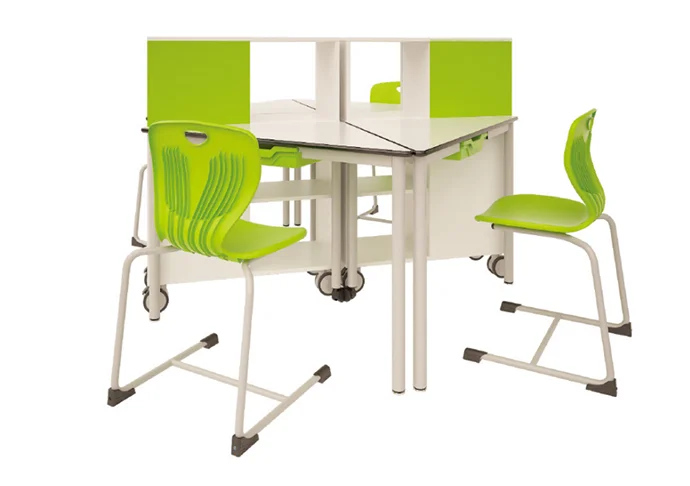
Collaborative learning desks are specially designed furniture pieces that facilitate group work and interaction among students. Unlike traditional desks, which often isolate learners, these desks are configured to promote **team-oriented activities**. They come in various shapes and sizes—ranging from circular to modular designs—allowing educators to create versatile layouts that adapt to different teaching styles and group dynamics.
The Benefits of Collaborative Learning Desks
Enhanced Engagement and Interaction
One of the primary advantages of collaborative learning desks is the **enhanced engagement** they foster among students. By providing a setup that encourages group discussions, these desks help to break down barriers between learners. This increased interaction leads to higher participation rates, as students feel more comfortable sharing ideas and collaborating on projects.
Space Efficiency and Flexibility
In modern classrooms, where space can often be limited, the **flexibility of collaborative learning desks** is invaluable. Designed to be easily movable, these desks can be reconfigured to suit various activities—whether it’s small group projects, discussions, or individual work. This adaptability ensures that educators can maximize the available space, transforming a standard classroom into a vibrant learning environment.
Improved Collaboration and Teamwork
Collaborative learning desks inherently promote **teamwork** among students. When placed in groups, students learn to communicate effectively, negotiate ideas, and support each other’s learning processes. This collaboration not only enhances academic performance but also cultivates essential life skills that are crucial in today’s workforce.
Supporting Diverse Learning Styles
Different students have different learning styles, and **collaborative learning desks** cater to this diversity. By enabling various configurations, these desks support visual, auditory, and kinesthetic learners. Whether it’s through group discussions, hands-on activities, or visual presentations, collaboration desks create an inclusive environment where all students can thrive.
Design Considerations for Collaborative Learning Desks
When selecting collaborative learning desks, there are several design considerations to keep in mind to ensure they serve their intended purpose effectively.
Ergonomics and Comfort
Ergonomics plays a critical role in the design of collaborative learning desks. Comfortable seating and desk height are essential for maintaining student focus and productivity. A well-designed desk should accommodate various body types and allow for easy movement, ensuring that students can engage with their peers without physical discomfort.
Mobility and Adaptability
The best collaborative learning desks are those that are mobile and adaptable. Furniture on wheels or modular designs can be easily rearranged to accommodate different group sizes or learning activities. This mobility not only maximizes space but also allows teachers to quickly modify the classroom layout as needed.
Implementing Collaborative Learning Desks in Your Classroom
To successfully implement collaborative learning desks in a classroom, educators should consider a few strategic steps:
1. **Evaluate Classroom Space**: Assess the available space to determine the optimal layout for collaborative learning desks.
2. **Choose the Right Design**: Select desk designs that align with the teaching objectives and accommodate the number of students.
3. **Engage Students in the Process**: Involve students in the selection and arrangement of desks to foster a sense of ownership and encourage collaboration.
4. **Train Educators**: Provide training for teachers on how to effectively utilize collaborative desks in their teaching strategies.
5. **Monitor and Adjust**: Continuously observe the effectiveness of the collaborative desks and make adjustments as needed based on student feedback and learning outcomes.
Case Studies: Successful Implementation
Numerous educational institutions have successfully implemented collaborative learning desks, reporting significant improvements in student engagement and collaborative skills.
- **Greenwood High School**: After transitioning to collaborative desks, Greenwood High reported a 30% increase in student participation during group activities. Teachers noted that students were more willing to share ideas and work together on projects.
- **Maplewood Elementary**: Maplewood Elementary transformed their classrooms by incorporating modular desks, which allowed for easy reconfiguration. This change led to enhanced creativity and problem-solving skills among students, as they could easily collaborate in diverse settings.
Frequently Asked Questions
1. What materials are collaborative learning desks typically made from?
Collaborative learning desks are commonly made from durable materials such as plywood, metal, and high-quality plastics that can withstand daily use in educational settings.
2. How do collaborative learning desks support different teaching styles?
These desks can be easily rearranged to suit various teaching styles—whether it’s direct instruction, group work, or independent study—allowing educators to adapt their approach based on the lesson.
3. Are collaborative learning desks suitable for all age groups?
Yes, collaborative learning desks can be designed for different age groups, ensuring comfort and usability for elementary, middle, and high school students.
4. Can collaborative learning desks be customized for specific classroom needs?
Absolutely! Many manufacturers offer customization options, allowing schools to choose desk sizes, shapes, and colors that fit their unique classroom requirements.
5. What are some challenges of implementing collaborative learning desks?
Some challenges may include budget constraints, the need for educator training, and resistance from students accustomed to traditional desk setups. However, with proper planning and support, these challenges can be overcome.
Conclusion: Embracing the Future of Learning Spaces
Collaborative learning desks are more than just furniture; they are a gateway to transforming educational experiences. By fostering **engagement, collaboration**, and adaptability, these desks maximize space and enhance learning outcomes. As educators and institutions continue to adapt to the needs of modern learners, embracing collaborative learning environments will be essential for fostering creativity and innovation in classrooms. The future of education lies in our ability to create spaces that not only accommodate learning but also inspire it.
Contact ESCO Furniture

Shortcut Menu
Get a Quote