Exploring the Benefits of Modular Student Desks for Modern Learning Environments
多行文本内容元素
富文本内容绑定数据后可解析HTML语言内容
Release time:
Mar 18,2026
Summary:In today’s fast-paced educational landscape, the design and functionality of classroom furniture can significantly influence the learning experience. One of the most innovative solutions that have emerged is the modular student desk. These versatile desks are crafted to adapt to the dynamic needs of both students and educators, making them an ideal choice for modern classrooms.
Modular student des

In today’s fast-paced educational landscape, the design and functionality of classroom furniture can significantly influence the learning experience. One of the most innovative solutions that have emerged is the modular student desk. These versatile desks are crafted to adapt to the dynamic needs of both students and educators, making them an ideal choice for modern classrooms.
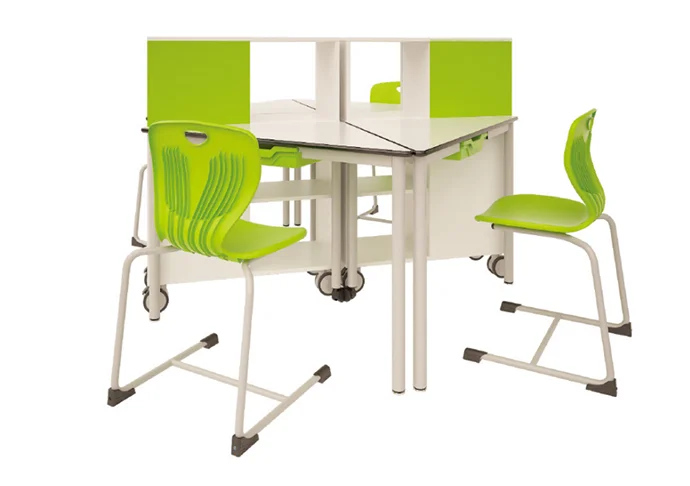
Modular student desks are designed with flexibility in mind. They can be easily rearranged to create different layouts, accommodating various teaching styles and group activities. This adaptability allows teachers to switch between traditional lectures, collaborative projects, and individual work without the need for extensive classroom reconfiguration. When students collaborate, they can push desks together to form larger workstations, fostering teamwork and communication.
Another advantage of modular student desks is their ability to accommodate diverse learning needs. With features such as adjustable height settings and various surface designs, these desks cater to students of different ages and sizes. This inclusivity ensures that every student has a comfortable and ergonomic space to learn, which can improve focus and reduce discomfort during long periods of study.
Moreover, the aesthetic appeal of modular student desks cannot be overlooked. Available in a variety of colors, materials, and designs, these desks can enhance the overall look of a classroom. A well-designed learning environment not only promotes a positive atmosphere but can also inspire creativity and motivation among students. By incorporating vibrant and stylish furniture, educators can create an engaging space that encourages student participation.
From a practical standpoint, modular student desks often come with built-in storage solutions, such as shelves or compartments, allowing students to keep their materials organized. This organization can contribute to a more efficient learning experience, as students spend less time searching for materials and more time engaging with their lessons. Furthermore, the durability of these desks ensures they can withstand the wear and tear of daily classroom use, making them a wise investment for educational institutions.
Finally, the sustainability aspect of modular student desks is worth mentioning. Many manufacturers focus on eco-friendly materials and production methods, making it easier for schools to adopt sustainable practices. By choosing environmentally conscious furniture, schools can contribute to a greener future while also teaching students the importance of sustainability.
In conclusion, modular student desks represent a significant advancement in classroom furniture design. Their flexibility, ergonomic features, aesthetic appeal, organizational capabilities, and sustainability make them an excellent choice for modern educational environments. By embracing this innovative furniture solution, schools can create dynamic and engaging learning spaces that cater to the needs of all students.
Modular student desks are designed with flexibility in mind. They can be easily rearranged to create different layouts, accommodating various teaching styles and group activities. This adaptability allows teachers to switch between traditional lectures, collaborative projects, and individual work without the need for extensive classroom reconfiguration. When students collaborate, they can push desks together to form larger workstations, fostering teamwork and communication.
Another advantage of modular student desks is their ability to accommodate diverse learning needs. With features such as adjustable height settings and various surface designs, these desks cater to students of different ages and sizes. This inclusivity ensures that every student has a comfortable and ergonomic space to learn, which can improve focus and reduce discomfort during long periods of study.
Moreover, the aesthetic appeal of modular student desks cannot be overlooked. Available in a variety of colors, materials, and designs, these desks can enhance the overall look of a classroom. A well-designed learning environment not only promotes a positive atmosphere but can also inspire creativity and motivation among students. By incorporating vibrant and stylish furniture, educators can create an engaging space that encourages student participation.
From a practical standpoint, modular student desks often come with built-in storage solutions, such as shelves or compartments, allowing students to keep their materials organized. This organization can contribute to a more efficient learning experience, as students spend less time searching for materials and more time engaging with their lessons. Furthermore, the durability of these desks ensures they can withstand the wear and tear of daily classroom use, making them a wise investment for educational institutions.
Finally, the sustainability aspect of modular student desks is worth mentioning. Many manufacturers focus on eco-friendly materials and production methods, making it easier for schools to adopt sustainable practices. By choosing environmentally conscious furniture, schools can contribute to a greener future while also teaching students the importance of sustainability.
In conclusion, modular student desks represent a significant advancement in classroom furniture design. Their flexibility, ergonomic features, aesthetic appeal, organizational capabilities, and sustainability make them an excellent choice for modern educational environments. By embracing this innovative furniture solution, schools can create dynamic and engaging learning spaces that cater to the needs of all students.
Contact ESCO Furniture

Shortcut Menu
Get a Quote