The Transformative Impact of Collaborative Learning Desks on Active Learning Strategies
多行文本内容元素
富文本内容绑定数据后可解析HTML语言内容
Release time:
Mar 16,2026

The Transformative Impact of Collaborative Learning Desks on Active Learning Strategies
In today’s dynamic educational landscape, the **importance of collaborative learning** cannot be overstated. As educators strive to prepare students for real-world challenges, the integration of **active learning strategies** has become increasingly vital. Central to this evolution are **collaborative learning desks**, which serve as pivotal tools in promoting interaction, engagement, and teamwork among students. This article delves into the myriad ways in which collaborative learning desks contribute to effective active learning strategies, transforming traditional educational methodologies.
Table of Contents
- Understanding Collaborative Learning Desks
- Benefits of Collaborative Learning Desks in Education
- Design Features of Collaborative Learning Desks
- Implementing Collaborative Learning Desks in Classrooms
- Active Learning Strategies Enhanced by Collaborative Desks
- Case Studies and Examples
- Common Challenges and Solutions
- The Future of Collaborative Learning Desks
- FAQs
Understanding Collaborative Learning Desks
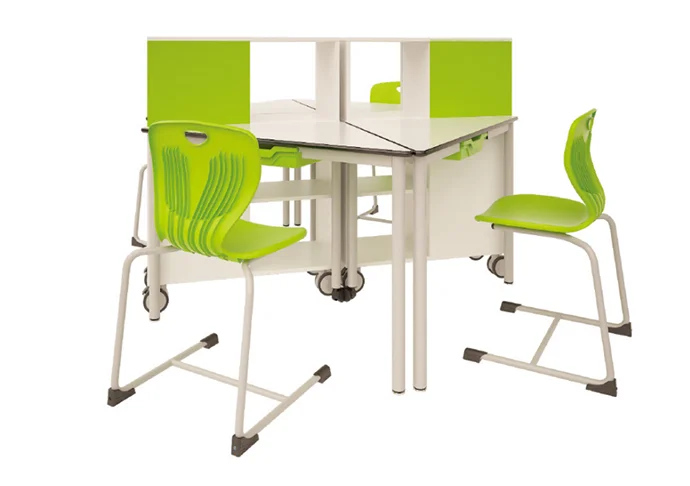
Collaborative learning desks are specially designed furniture pieces that facilitate group work and interaction among students. Unlike traditional desks, collaborative desks are often modular, allowing for flexible arrangements that can be adapted based on the activity or lesson. These desks encourage students to work together, fostering a sense of community and shared responsibility for learning outcomes.
The Philosophy Behind Collaborative Learning
The philosophy underlying collaborative learning is simple yet profound: when students work together, they not only share knowledge but also develop essential soft skills such as **communication**, **problem-solving**, and **teamwork**. This approach aligns with contemporary educational goals that prioritize **critical thinking** and **creativity** over rote memorization.
Benefits of Collaborative Learning Desks in Education
Investing in collaborative learning desks goes beyond aesthetics; it yields significant benefits for both students and educators. Here are some of the standout advantages:
Enhanced Student Engagement
When students are placed in collaborative settings, they tend to be more engaged and motivated. Collaborative desks create an atmosphere of **active participation**, where students feel comfortable expressing their thoughts and ideas. This engagement is critical for effective learning, as students are more likely to absorb and retain information presented in an interactive format.
Improved Academic Performance
Research has shown that active learning environments promote deeper understanding and retention of concepts. By facilitating group discussions and collaborative projects, students using collaborative learning desks often achieve higher academic performance compared to those in traditional settings. This improvement can be attributed to the diverse perspectives and experiences shared during collaborative activities.
Development of Social Skills
Collaboration inherently involves communication and interpersonal skills. By working together at collaborative desks, students learn to navigate group dynamics, listen actively, and express their opinions respectfully. These skills are not only vital for academic success but are also essential for future career opportunities.
Design Features of Collaborative Learning Desks
To maximize the benefits of collaborative learning, the design of the desks plays a crucial role. Here are key design features to consider:
Modularity
The most effective collaborative desks are modular, allowing for various configurations. This flexibility enables educators to rearrange desks easily based on the activity, whether it be group discussions, projects, or individual tasks. Students can also take ownership of their learning space by choosing their preferred setup.
Ergonomic Considerations
Comfort is essential for prolonged engagement. Collaborative desks should be designed ergonomically to accommodate different body types and sizes. Adjustable heights and supportive seating can enhance comfort, allowing students to focus on learning rather than physical discomfort.
Technology Integration
In today’s tech-driven world, integrating technology into collaborative desks can enhance the learning experience. Desks with built-in charging ports, tablet holders, and interactive screens facilitate the use of digital resources and collaborative tools, enhancing students’ access to information and collaborative platforms.
Implementing Collaborative Learning Desks in Classrooms
Implementing collaborative learning desks requires careful planning and execution. Here are steps to ensure successful integration:
Assessing Classroom Needs
Before introducing collaborative desks, it's essential to assess the specific needs of the classroom. Consider the subjects taught, the student demographics, and the types of collaborative activities that will be undertaken. A well-planned approach will ensure that the desks meet the unique needs of the students.
Training Educators
Instructors play a vital role in the success of collaborative learning. Providing training on effective practices for using collaborative desks can empower educators to facilitate meaningful interactions among students. This training should include strategies for group management, conflict resolution, and fostering a positive learning environment.
Feedback and Assessment
After implementation, gathering feedback from both students and educators is crucial. This feedback will illuminate what is working well and what may need adjustment. Regular assessments of student engagement and performance can guide future modifications to the use of collaborative desks.
Active Learning Strategies Enhanced by Collaborative Desks
Collaborative learning desks enable various active learning strategies that can significantly enhance educational outcomes. Here are some effective strategies:
Problem-Based Learning (PBL)
In PBL, students work together to solve complex, real-world problems. Collaborative desks provide the perfect environment for brainstorming, strategizing, and discussing solutions. This method not only promotes critical thinking but also encourages students to apply their knowledge practically.
Peer Teaching
Peer teaching allows students to learn from one another. When arranged at collaborative desks, students can easily share knowledge and help each other understand difficult concepts. This approach not only reinforces the material but also builds confidence among students.
Group Projects
Collaborative desks are ideal for group projects, allowing students to collaborate effectively. The desk setup encourages teamwork and accountability, as students must rely on each other to contribute to the project. This collaborative effort often leads to enhanced creativity and improved project outcomes.
Case Studies and Examples
Several schools and educational institutions have successfully implemented collaborative learning desks, resulting in positive outcomes. Here are a few notable examples:
Case Study: High-Tech Elementary School
At High-Tech Elementary, educators redesigned classrooms to include collaborative learning desks. They observed a significant increase in student participation and enthusiasm. Teachers reported that students were more willing to engage in discussions and complete group assignments, resulting in improved performance across various subjects.
Example: Community College Innovation
A community college introduced collaborative desks in their science labs. This initiative led to enhanced collaboration among students during experiments. The college noted an increase in students’ grasp of scientific concepts and methods, showcasing the impact of collaborative learning environments on higher education.
Common Challenges and Solutions
While the implementation of collaborative learning desks is beneficial, challenges may arise. Here are some common challenges and potential solutions:
Challenge: Resistance from Students
Some students may initially resist collaborative learning due to discomfort with group work. **Solution:** Educators should establish ground rules and gradually introduce collaborative activities to ease students into the process, ensuring everyone feels included and valued.
Challenge: Managing Group Dynamics
Group work can sometimes lead to conflicts or unequal participation. **Solution:** Implement structures such as assigned roles within groups to ensure each student contributes. Regular check-ins and reflections can also help manage dynamics effectively.
The Future of Collaborative Learning Desks
The future of collaborative learning desks looks promising as educational trends continue to evolve. With advancements in technology and pedagogy, we can expect even more innovative designs and functionalities that promote active learning. The integration of augmented reality (AR) and virtual reality (VR) into collaborative learning environments may soon become commonplace, further enhancing how students interact and collaborate.
FAQs
1. What are collaborative learning desks?
Collaborative learning desks are specially designed furniture that facilitates group work and interaction among students, promoting active participation in the learning process.
2. How do collaborative learning desks improve academic performance?
By encouraging interaction and collaboration, these desks enable deeper understanding of concepts, leading to better retention and improved academic outcomes.
3. What design features should collaborative learning desks have?
Key features include modularity for flexible arrangements, ergonomic designs for comfort, and technology integration for enhanced learning experiences.
4. What active learning strategies can be used with collaborative desks?
Strategies such as problem-based learning, peer teaching, and group projects are effectively enhanced by the use of collaborative desks.
5. How can educators manage group dynamics in collaborative settings?
Establishing clear roles, regular check-ins, and creating a positive group atmosphere can help manage dynamics and ensure equal participation.
Conclusion
Collaborative learning desks are transforming the educational landscape by fostering an environment that promotes active learning and student engagement. By understanding their design features, benefits, and effective implementation strategies, educators can harness their potential to enhance learning outcomes. As we look to the future, the continued evolution of these tools will undoubtedly play a crucial role in shaping how students interact, collaborate, and learn together. Investing in collaborative learning desks is not merely about upgrading furniture; it's about revolutionizing the educational experience for the better.
Contact ESCO Furniture

Shortcut Menu
Get a Quote