Transitioning to Collaborative Learning with the Right Desks: A Comprehensive Guide
多行文本内容元素
富文本内容绑定数据后可解析HTML语言内容
Release time:
Jul 14,2026
Summary:Transitioning to Collaborative Learning with the Right Desks
Understanding Collaborative Learning
Collaborative learning is an educational approach that involves groups of learners working together to solve problems, complete tasks, or understand concepts. This method promotes critical thinking, enhances communication skills, and fosters relationships among peers. The right desk setup is cruci

Transitioning to Collaborative Learning with the Right Desks
Understanding Collaborative Learning
Collaborative learning is an educational approach that involves groups of learners working together to solve problems, complete tasks, or understand concepts. This method promotes critical thinking, enhances communication skills, and fosters relationships among peers. The right desk setup is crucial in facilitating this interaction, as it creates an environment conducive to teamwork and collaboration.
The Importance of Choosing the Right Desks
In a collaborative learning environment, the furniture plays a pivotal role. Desks are more than just surfaces for writing; they are essential tools for interaction and engagement. By choosing the right desks, educators and business leaders can significantly enhance the learning experience.
Factors to Consider When Selecting Desks
When transitioning to a collaborative learning model, several factors must be taken into account during the desk selection process:
1. Flexibility and Mobility
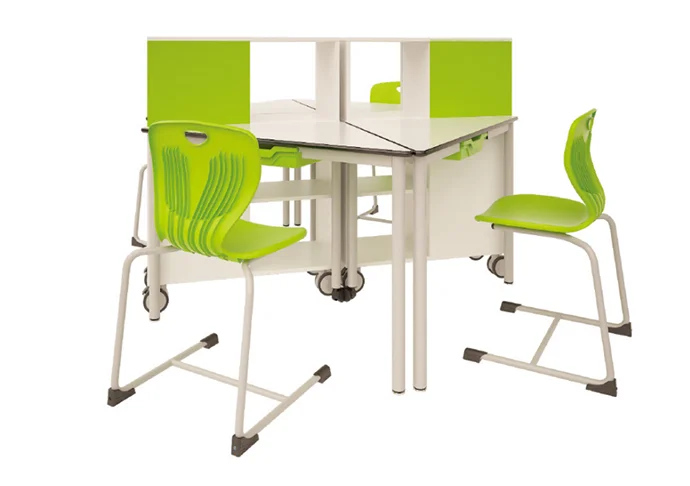
Desks should be easily movable to accommodate various group sizes and configurations. Mobile desks allow for quick rearrangement, enabling dynamic learning environments where students or team members can easily switch from solo work to group collaboration.
2. Ergonomic Design
Comfort is key in any learning environment. Ergonomically designed desks support healthy posture and can reduce fatigue, allowing learners to engage more fully in collaborative activities. Look for adjustable desks that cater to different heights and preferences.
3. Surface Area
Adequate surface space is essential for collaborative work. Desks should provide enough room for multiple students or team members to spread out materials, share resources, and engage in discussions without feeling cramped.
4. Storage Options
Desks with built-in storage can help keep collaborative spaces organized. When tools and materials are easily accessible, participants can focus on their work without the distraction of clutter.
Types of Desks Suitable for Collaborative Learning
Choosing the right type of desk is vital for facilitating collaboration. Here are various desk styles that promote teamwork:
1. Round Tables
Round tables encourage inclusivity and equal participation, making them ideal for group discussions. Their design fosters a sense of community, as everyone can easily see and engage with one another.
2. Modular Desks
Modular desks can be rearranged to form different configurations, allowing for flexibility in group sizes and tasks. They are particularly useful for shifting between independent work and collaborative projects.
3. Standing Desks
Standing desks promote movement and can keep energy levels high during collaborative sessions. They encourage participants to engage more actively, fostering a lively and productive atmosphere.
4. Desks with Collaborative Technology
Desks equipped for technology use, such as those with built-in screens or charging ports, can enhance collaborative learning experiences. These desks support multimedia presentations and interactive discussions, bridging the gap between technology and collaboration.
Creating an Effective Collaborative Learning Environment
The physical layout and desk selection are crucial, but they must be complemented by a supportive environment that encourages collaboration.
Designing the Space
When arranging desks, consider the following design principles to maximize collaborative potential:
1. Clear Pathways
Ensure that the space allows for easy movement between groups. Clear pathways help participants transition smoothly between discussions and activities.
2. Varied Group Sizes
Design the space to accommodate groups of various sizes. This flexibility supports different collaborative activities, from small brainstorming sessions to larger group projects.
Fostering a Collaborative Culture
Cultivating a collaborative mindset is just as important as physical arrangements. Here are some strategies to promote collaboration among learners:
1. Set Clear Objectives
Establish clear goals for collaborative activities. When participants understand the desired outcomes, they can work together more effectively towards common objectives.
2. Encourage Open Communication
Create an atmosphere where participants feel comfortable expressing their ideas and opinions. Open communication fosters creativity and ensures everyone’s voice is heard.
Benefits of Transitioning to Collaborative Learning Desks
Investing in the right desks for collaborative learning brings numerous advantages. Here are some key benefits:
1. Enhanced Engagement
Properly configured desks promote active participation, leading to greater engagement among learners. When individuals feel comfortable and connected, they are more likely to contribute meaningfully.
2. Improved Teamwork Skills
Collaborative desk setups foster teamwork and interpersonal skills. Learners practice sharing responsibilities, delegating tasks, and working toward common goals.
3. Increased Creativity
Collaborative environments encourage brainstorming and creative problem-solving. The synergy created by group work often leads to innovative solutions and ideas.
4. Greater Retention of Knowledge
Working collaboratively helps learners process information more effectively. When individuals discuss and teach concepts to one another, they reinforce their understanding and retention of material.
Challenges in Transitioning to Collaborative Learning Desks
While the benefits are substantial, challenges may arise during the transition to collaborative learning desks. Addressing these challenges head-on is crucial for success.
1. Resistance to Change
Some educators or team members may resist the shift from traditional learning methods. Providing training and demonstrating the advantages of collaborative learning can help ease this transition.
2. Classroom Management
Maintaining order in a collaborative environment can be challenging. Setting clear guidelines and expectations can help facilitate productive discussions while minimizing distractions.
3. Technical Difficulties
Incorporating technology into collaborative desks can lead to unforeseen technical issues. Regular maintenance and accessible support resources can mitigate these challenges.
Best Practices for Implementing Collaborative Desks
To successfully implement collaborative desks in learning environments, consider the following best practices:
1. Involve Stakeholders in the Selection Process
Engage students, educators, and other stakeholders in the desk selection process. Their input ensures that the chosen desks meet the needs of the users.
2. Provide Professional Development
Offer training sessions for educators on how to effectively utilize collaborative desks for enhanced learning. This professional development ensures that instructors are equipped with strategies for fostering collaboration.
3. Regularly Assess Effectiveness
Continuously monitor and assess the effectiveness of collaborative desks. Gather feedback from users and make adjustments as necessary to improve the learning experience.
FAQs about Collaborative Learning Desks
1. What are collaborative learning desks?
Collaborative learning desks are specifically designed furniture that facilitate group work and interaction among learners. They promote teamwork, flexibility, and engagement.
2. How do I choose the right desks for my classroom or office?
Consider factors such as mobility, ergonomic design, surface area, and storage options when selecting desks. It's important to choose desks that can accommodate various group sizes and configurations.
3. What types of activities work well with collaborative desks?
Activities like group discussions, brainstorming sessions, problem-solving tasks, and project-based learning are well-suited for collaborative desk setups.
4. How can I encourage collaboration among learners?
Establish clear objectives, promote open communication, and create a supportive environment that values teamwork and shared goals.
5. What are the benefits of using collaborative desks?
Benefits include enhanced engagement, improved teamwork skills, increased creativity, and greater retention of knowledge among learners.
Conclusion
Transitioning to collaborative learning with the right desks offers significant benefits for both educators and learners. By prioritizing desk selection and creating an environment conducive to collaboration, we can foster engagement, creativity, and effective teamwork. Emphasizing flexibility, ergonomics, and thoughtful design in our desk choices will ensure a successful transition to a collaborative learning framework that meets the needs of today's dynamic educational and professional landscapes.
Contact ESCO Furniture

Shortcut Menu
Get a Quote