Collaborative Desks: Transforming the Classroom Experience for Enhanced Learning
多行文本内容元素
富文本内容绑定数据后可解析HTML语言内容
Release time:
May 31,2026
Summary:Collaborative Desks: Transforming the Classroom Experience for Enhanced Learning
Table of Contents
Introduction to Collaborative Desks in Classrooms
The Importance of Collaborative Learning
Features of Effective Collaborative Desks
Designing Collaborative Desks for Various Teaching Styles
Implementation Strategies for Schools
Benefits of Collaborative Desks

Collaborative Desks: Transforming the Classroom Experience for Enhanced Learning
Table of Contents
- Introduction to Collaborative Desks in Classrooms
- The Importance of Collaborative Learning
- Features of Effective Collaborative Desks
- Designing Collaborative Desks for Various Teaching Styles
- Implementation Strategies for Schools
- Benefits of Collaborative Desks for Students
- Challenges in Adopting Collaborative Desks
- Future Trends in Classroom Furniture Design
- FAQs Regarding Collaborative Desks in Education
- Conclusion: The Future of Collaborative Learning Spaces
Introduction to Collaborative Desks in Classrooms
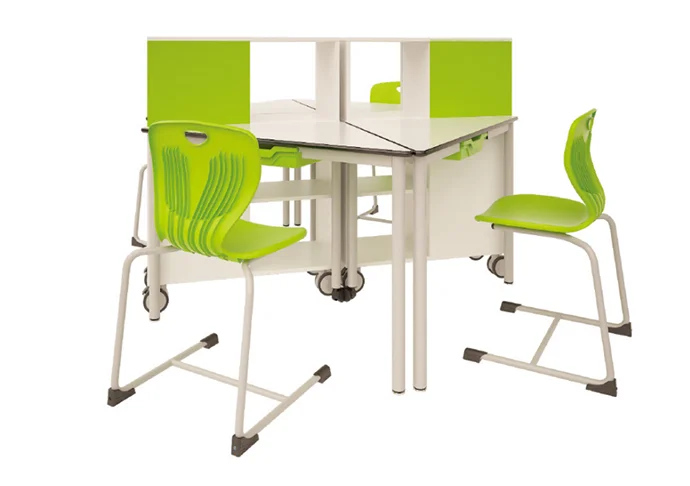
In modern education, the traditional classroom setup is evolving to meet the diverse needs of students. **Collaborative desks** play a pivotal role in this transformation. By facilitating group work and interactive learning, these desks create an environment conducive to teamwork and creativity. In this article, we will delve into how collaborative desks enhance the classroom experience, making learning more engaging and effective.
The Importance of Collaborative Learning
Collaborative learning is an instructional method where students work together in groups to achieve common academic goals. This approach not only helps in the assimilation of knowledge but also cultivates essential life skills such as communication, problem-solving, and interpersonal abilities. The shift towards collaborative learning reflects a broader educational philosophy that values student engagement and active participation.
Enhancing Student Engagement
Collaborative desks can significantly increase student engagement. By creating spaces where students can share ideas, brainstorm, and interact, these desks foster a sense of community in the classroom. Students are more likely to participate actively when they feel comfortable and connected to their peers.
Building Essential Skills
In today's workplace, collaboration is crucial. Schools that incorporate collaborative desks are effectively preparing students for future careers. Skills such as teamwork, leadership, and communication are developed through collaborative activities, making students more job-ready upon graduation.
Features of Effective Collaborative Desks
Not all desks are created equal when it comes to fostering collaboration. Effective collaborative desks should incorporate several key features:
Flexible Arrangements
Desks that can be easily reconfigured allow for various group sizes and setups, accommodating different activities and teaching styles. This flexibility is essential for promoting collaboration.
Integrated Technology
Incorporating technology into collaborative desks enhances the learning experience. Features like built-in charging ports and screens enable students to access digital resources seamlessly during group work.
Comfort and Ergonomics
Comfortable seating and appropriate desk heights are crucial for maintaining focus during collaborative tasks. Ergonomic designs that support proper posture can significantly impact students' concentration and productivity.
Designing Collaborative Desks for Various Teaching Styles
When designing collaborative desks, it’s essential to consider the diverse teaching styles employed by educators. Here are some approaches to tailor desk designs to various methods:
Project-Based Learning
For project-based learning, desks should be spacious enough to accommodate materials and group discussions. A U-shape or circular arrangement encourages inclusivity and allows all students to participate equally.
Flipped Classroom Model
In a flipped classroom setting, students review content at home and engage in collaborative work during class hours. Desks designed for easy access to technology can support this model effectively.
Implementation Strategies for Schools
Implementing collaborative desks requires thoughtful planning and execution. Here are some strategies schools can adopt:
Involving Stakeholders
Engage teachers, students, and parents in the decision-making process. Their input can provide valuable insights into the needs and preferences of the school community.
Phased Implementation
Consider rolling out collaborative desks in phases to manage costs and assess effectiveness. Start with a few classrooms, gather feedback, and then expand based on success and additional needs.
Training for Educators
Provide professional development for teachers on how to effectively use collaborative desks in their teaching strategies. Training can help educators feel more comfortable with new approaches and technologies.
Benefits of Collaborative Desks for Students
The advantages of collaborative desks extend beyond the immediate classroom experience. Here are some key benefits:
Improved Academic Performance
Studies have shown that students who engage in collaborative learning tend to perform better academically. Working together allows for the sharing of knowledge and resources, leading to a deeper understanding of the material.
Enhanced Social Skills
Collaboration encourages students to communicate and interact with one another. This interaction helps develop social skills that are vital for personal and professional success in the future.
Increased Motivation and Accountability
When students are part of a team, they often feel more motivated to contribute and succeed. The accountability inherent in group work promotes a sense of responsibility towards peers, fostering a collaborative spirit.
Challenges in Adopting Collaborative Desks
While the benefits of collaborative desks are numerous, schools may face challenges during implementation:
Budget Constraints
Investing in new furniture can be expensive. Schools may need to allocate funds or seek grants to support the transition to collaborative desks.
Resistance to Change
Some educators may be hesitant to adopt collaborative learning methods. Providing evidence of the benefits and offering support can help alleviate concerns.
Space Limitations
Not all classrooms are designed for collaboration. Schools may need to rethink classroom layouts and consider renovations to create the ideal environment for collaborative desks.
Future Trends in Classroom Furniture Design
As education continues to evolve, so will the design of classroom furniture. Future trends may include:
Modular Designs
Furniture that can be easily reconfigured will become increasingly popular, allowing for greater adaptability to various teaching methods and learning activities.
Smart Desks
The integration of technology into furniture will continue to advance. Smart desks equipped with digital interfaces and interactive tools will enhance the collaborative learning experience.
FAQs Regarding Collaborative Desks in Education
What are collaborative desks?
Collaborative desks are specially designed furniture pieces that facilitate group work and interaction among students in a classroom setting.
How do collaborative desks enhance learning?
They promote teamwork, communication, and engagement, leading to improved academic performance and social skills.
Are collaborative desks suitable for all age groups?
Yes, collaborative desks can be designed to accommodate various age groups and learning needs.
What key features should I look for in collaborative desks?
Look for flexibility, integrated technology, and ergonomic designs to ensure comfort and usability.
How can schools implement collaborative desks effectively?
Engage stakeholders, consider phased implementation, and provide training for educators to ensure a smooth transition.
Conclusion: The Future of Collaborative Learning Spaces
Collaborative desks are not just a trend; they represent a fundamental shift in the way we approach education. By fostering collaboration, enhancing student engagement, and preparing learners for the realities of the modern workforce, these desks are transforming classrooms into dynamic learning environments. As schools continue to adopt innovative furniture designs and teaching methodologies, the future of education looks promising, paving the way for a more interactive and collaborative learning experience for all students.
Contact ESCO Furniture

Shortcut Menu
Get a Quote