The Benefits of Flexible Seating and Collaborative Student Desks: Transforming Learning Environments
多行文本内容元素
富文本内容绑定数据后可解析HTML语言内容
Release time:
May 15,2026
Summary:The Benefits of Flexible Seating and Collaborative Student Desks
Introduction: Rethinking Educational Spaces
In today's rapidly evolving educational landscape, traditional classroom layouts are giving way to more dynamic and interactive environments. **Flexible seating** and **collaborative student desks** are at the forefront of this transformation, promoting engagement, collaboration, and adapta

The Benefits of Flexible Seating and Collaborative Student Desks
Introduction: Rethinking Educational Spaces
In today's rapidly evolving educational landscape, traditional classroom layouts are giving way to more dynamic and interactive environments. **Flexible seating** and **collaborative student desks** are at the forefront of this transformation, promoting engagement, collaboration, and adaptability. This article delves into the myriad benefits these innovative classroom designs offer, ultimately setting the stage for a more effective and engaging learning experience.
Understanding Flexible Seating
Flexible seating refers to arrangements that allow students to choose where and how they sit in the classroom. Rather than rows of rigid desks, flexible seating options include bean bags, standing desks, floor cushions, and collaborative tables. This approach caters to various learning styles and preferences.
The Importance of Flexibility in Learning
Flexibility in seating arrangements empowers students to take ownership of their learning environment. As research shows, when students feel comfortable and in control, their ability to focus and retain information increases significantly. By offering choices in seating, educators can foster a sense of community and collaboration within the classroom.
Collaborative Student Desks: A Catalyst for Teamwork
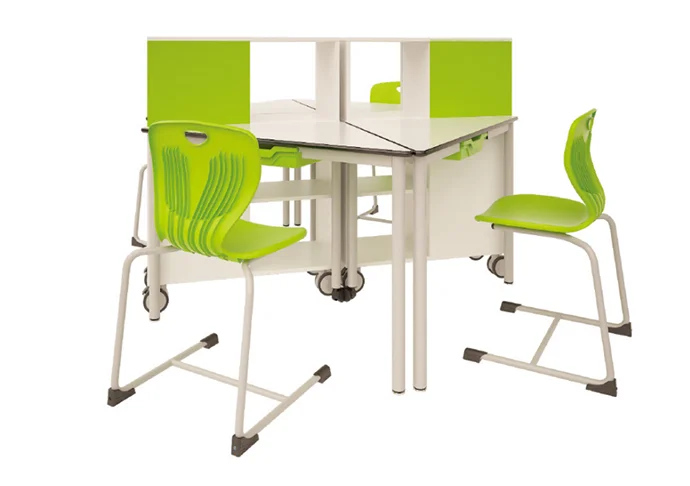
Collaborative student desks are designed to facilitate group work and cooperation among students. These desks are often movable and can be arranged in various configurations to support different group sizes and activities. Incorporating collaborative desks into the classroom can significantly enhance peer-to-peer interaction.
Enhancing Communication and Social Skills
One of the primary benefits of collaborative desks is the enhancement of communication and social skills among students. When working in groups, students learn to articulate their ideas, listen to others, and negotiate solutions. This collaborative environment mirrors real-world scenarios, preparing students for future teamwork in their academic and professional lives.
Benefits of Flexible Seating and Collaborative Student Desks
The integration of flexible seating and collaborative desks offers several advantages that contribute to a more effective learning environment.
1. Increased Engagement and Motivation
Students are more likely to engage with lessons when they are comfortable and feel a sense of ownership over their space. Flexible seating allows students to choose their preferred seating arrangement, which can lead to increased motivation and participation in class activities.
2. Improved Concentration and Focus
Comfort plays a crucial role in a student’s ability to concentrate. Flexible seating options, such as ergonomic chairs and standing desks, can help reduce distractions and promote better posture, allowing students to stay focused on their tasks.
3. Enhanced Collaboration and Teamwork
Collaborative student desks facilitate group work, encouraging students to share ideas and collaborate on projects. This teamwork fosters a sense of community and belonging, which is vital for developing social skills.
4. Catering to Diverse Learning Styles
Every student has unique learning preferences, and flexible seating accommodates these differences. Whether a student learns best while sitting, standing, or lying down, flexible seating can support their needs, leading to improved learning outcomes.
5. Increased Physical Activity
Flexible seating arrangements often encourage movement. Students can transition between different seating options throughout the day, promoting physical activity and helping to combat the sedentary lifestyle often associated with traditional classroom settings.
Implementing Flexible Seating and Collaborative Desks in the Classroom
While the benefits are clear, implementing flexible seating and collaborative desks requires careful planning and consideration.
1. Assessing Classroom Space
Before making any changes, it’s essential to assess the existing classroom space. Consider the layout, size, and resources available. This assessment will guide decisions on the types of seating and desk arrangements that will be most effective.
2. Choosing the Right Seating Options
Selecting appropriate seating options is crucial. Educators should consider a variety of choices, including traditional desks, bean bags, floor cushions, and standing tables. It’s essential to provide a mix of seating styles to cater to different preferences.
3. Creating a Collaborative Atmosphere
To foster collaboration, classroom layouts should be designed to encourage group work. This can be achieved by arranging desks in clusters or circles, providing ample space for movement, and promoting easy access to resources.
4. Training and Support for Educators
Educators must be equipped to facilitate a flexible learning environment. Providing training and ongoing support can help teachers effectively implement flexible seating and collaborative desks in their teaching practices.
Challenges and Solutions in Implementing Flexible Seating
While the advantages of flexible seating and collaborative desks are compelling, challenges may arise during implementation.
1. Classroom Management Concerns
One of the primary challenges educators face is maintaining classroom discipline in a more relaxed seating arrangement. Establishing clear expectations and guidelines for behavior can help mitigate this issue.
2. Budget Constraints
Implementing flexible seating may require additional funding for new furniture. Seeking grants, fundraising, or partnering with local businesses can help overcome budget limitations.
3. Resistance to Change
Some educators may be hesitant to adopt flexible seating due to traditional teaching practices. Providing professional development opportunities and showcasing success stories can help alleviate concerns and promote buy-in.
Case Studies: Success Stories of Flexible Seating
Several schools have successfully integrated flexible seating into their classrooms, resulting in remarkable improvements in student engagement and performance.
1. The Impact of Flexible Seating in Elementary Schools
At an elementary school in Colorado, teachers reported increased student engagement and collaboration after implementing flexible seating options. Students became more active participants in their learning, leading to higher test scores and improved social skills.
2. Secondary Education Success with Collaborative Desks
A high school in California introduced collaborative desks in its science classrooms. This change allowed students to work together on experiments and projects, fostering a sense of community and enhancing learning outcomes.
Future Trends in Classroom Design
As education continues to evolve, so too will classroom design. Future trends may include:
1. Technology Integration
The integration of technology into flexible seating arrangements will likely become more prevalent. Desks equipped with charging stations and interactive displays can enhance collaboration and engagement.
2. Biophilic Design Elements
Incorporating natural elements into classroom design, such as plants and natural light, can create a calming environment that promotes well-being and focus.
3. Adaptive Furniture
Furniture that can be easily adjusted for various activities will become more popular. Desks that can be transformed into standing desks or group tables will provide greater flexibility for diverse learning tasks.
Conclusion: Embracing the Future of Education
The benefits of flexible seating and collaborative student desks are undeniable. By creating dynamic and adaptable learning environments, educators can foster engagement, collaboration, and improved academic performance. As we continue to embrace innovative classroom designs, it is essential to prioritize the needs of students and adapt our spaces to support their diverse learning styles. The future of education lies in our ability to create environments that empower students and promote meaningful collaboration.
FAQs
1. What is flexible seating?
**Flexible seating** allows students to choose their seating arrangements based on their preferences, promoting comfort and engagement.
2. How does flexible seating enhance learning?
By providing options for seating, students feel more comfortable and in control, leading to increased focus and participation in class activities.
3. What are collaborative student desks?
**Collaborative student desks** are designed to facilitate group work and interaction among students, promoting teamwork and communication skills.
4. Can flexible seating benefit all age groups?
Yes, flexible seating can be adapted for all age groups, enhancing engagement and learning in both elementary and secondary education settings.
5. What challenges might educators face with flexible seating?
Challenges include classroom management, budget constraints, and resistance to change, but these can be addressed through training and clear guidelines.
Contact ESCO Furniture

Shortcut Menu
Get a Quote