Transforming Learning: Collaborative Classroom Desks for Diverse Learning Styles
多行文本内容元素
富文本内容绑定数据后可解析HTML语言内容
Release time:
May 03,2026
Summary:Transforming Learning: Collaborative Classroom Desks for Diverse Learning Styles
Introduction to Collaborative Classroom Desks
In the ever-evolving landscape of education, fostering an inclusive environment that caters to **diverse learning styles** is essential. Traditional classroom setups often limit students' ability to engage and collaborate effectively. Enter **collaborative classroom desks*

Transforming Learning: Collaborative Classroom Desks for Diverse Learning Styles
Introduction to Collaborative Classroom Desks
In the ever-evolving landscape of education, fostering an inclusive environment that caters to **diverse learning styles** is essential. Traditional classroom setups often limit students' ability to engage and collaborate effectively. Enter **collaborative classroom desks**, a revolutionary solution designed to enhance teamwork, communication, and personalized learning experiences. These desks not only encourage interaction among students but also adapt to various teaching methods and learning preferences, ultimately contributing to a more dynamic educational experience.
The Importance of Diverse Learning Styles
Understanding the significance of **diverse learning styles** is crucial for creating an effective educational environment. Every student learns differently—some may excel through visual aids, while others may thrive in hands-on activities or auditory learning. By recognizing and accommodating these differences, educators can enhance student engagement, retention, and overall academic performance.
Identifying Different Learning Styles
Understanding the different types of learning styles can help educators tailor their approaches to meet individual needs. The most common learning styles include:
- **Visual Learners**: These students grasp information best through images, diagrams, and charts.
- **Auditory Learners**: They prefer listening to lectures, discussions, and audio materials.
- **Kinesthetic Learners**: These students learn best through hands-on experiences and physical activity.
- **Read/Write Learners**: They excel in traditional learning environments, preferring written texts and note-taking.
Benefits of Collaborative Classroom Desks
Collaborative classroom desks offer a myriad of benefits that cater to diverse learning styles. Implementing these desks in educational settings can lead to improved engagement, enhanced communication, and a more inclusive learning atmosphere.
1. Encouraging Collaboration Among Students
One of the primary advantages of collaborative desks is their ability to facilitate teamwork. Students can easily group together, share resources, and brainstorm ideas. This collaboration not only enhances social skills but also prepares learners for real-world situations where teamwork is often essential.
2. Flexible Learning Environments
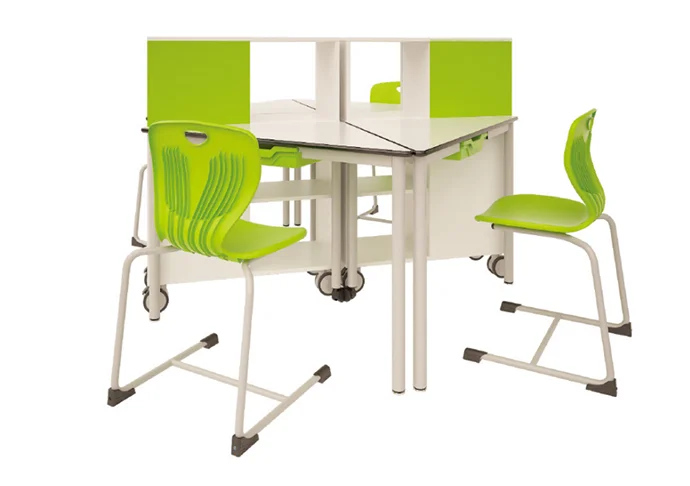
**Collaborative desks** are designed for flexibility. They can be rearranged to accommodate various teaching methods, whether it’s group projects, lectures, or independent study. This adaptability allows educators to create a learning environment that can be easily modified to suit the needs of their students.
3. Enhanced Engagement and Participation
When students are given the opportunity to work collaboratively, they often feel more engaged. Collaborative desks encourage participation and active involvement in classroom discussions, leading to a deeper understanding of the subject matter.
4. Personalized Learning Experiences
Different students require different approaches to learning. With collaborative desks, teachers can easily implement personalized learning strategies that cater to individual strengths and weaknesses. This adaptability helps students achieve their academic goals more effectively.
5. Development of Critical Skills
Collaborative classroom desks help develop essential skills such as communication, problem-solving, and critical thinking. These competencies are vital for success in both academic and professional settings.
Design Considerations for Collaborative Classroom Desks
When selecting collaborative desks for a classroom, various factors must be considered to ensure they meet the diverse needs of students.
1. Ergonomics and Comfort
Comfort is paramount in any learning environment. Desks should be ergonomically designed to support students' postures, reducing fatigue and promoting focus. Adjustable height features can also accommodate various student sizes, ensuring inclusivity.
2. Modular Designs
Modular desk designs allow for easy rearrangement, promoting flexibility in classroom layouts. Desks that can be easily moved and reconfigured support various teaching methods and learning activities.
3. Durable Materials
Classroom furniture needs to withstand daily wear and tear. Selecting desks made from durable materials ensures longevity and reduces the need for frequent replacements, providing better value over time.
4. Technology Integration
Incorporating technology into collaborative desks can enhance learning opportunities. Desks equipped with charging ports, integrated screens, or spaces for tablets and laptops can facilitate tech-based learning activities.
5. Aesthetically Pleasing Designs
An inviting classroom environment can significantly influence student motivation and engagement. Desks with vibrant colors and modern designs can contribute to a positive atmosphere, making students more inclined to participate actively.
Implementing Collaborative Classroom Desks in Educational Settings
Integrating collaborative desks into classrooms requires strategic planning and execution. Here are some steps to consider:
1. Assessing Classroom Needs
Before purchasing collaborative desks, educators should assess the specific needs of their classrooms. This includes evaluating student demographics, learning styles, and curriculum requirements.
2. Involving Students in the Process
Students often have valuable insights into what helps them learn best. Involving them in the selection and arrangement of collaborative desks can foster a sense of ownership and encourage positive engagement.
3. Training Educators
Teachers should receive training on how to effectively utilize collaborative desks in their lesson plans. Understanding the benefits and applications of these desks will enable them to maximize their impact on student learning.
4. Monitoring and Evaluation
Once collaborative desks are implemented, ongoing monitoring and evaluation are crucial. Regular feedback from students and teachers can identify areas for improvement and help refine classroom strategies.
Real-World Applications of Collaborative Classroom Desks
Collaborative desks have been successfully implemented in various educational settings, showcasing their versatility and effectiveness.
1. Primary and Secondary Education
In primary and secondary schools, collaborative desks have facilitated project-based learning, allowing students to work together on assignments and presentations. This approach promotes engagement and enhances social skills.
2. Higher Education
Universities and colleges have embraced collaborative desks in lecture halls and study areas. These desks support group discussions and collaborative projects, fostering a sense of community among students.
3. Specialized Learning Environments
Educational institutions catering to students with special needs can benefit significantly from collaborative desks. The flexibility and adaptability of these desks ensure that diverse learning requirements are met.
Challenges of Using Collaborative Classroom Desks
Despite their numerous advantages, collaborative desks may present certain challenges that educators should be aware of.
1. Space Limitations
In smaller classrooms, finding space for collaborative desks can be a challenge. It’s essential to plan classroom layouts carefully to maximize available space.
2. Classroom Management
With greater collaboration comes the potential for noise and distractions. Educators must develop effective classroom management strategies to maintain a focused learning environment.
3. Cost Considerations
While collaborative desks offer many benefits, they can also be more expensive than traditional desks. Schools must budget accordingly and explore funding options to support their purchases.
Future Trends in Collaborative Classroom Furniture
As educational practices continue to evolve, so will the furniture designed to support them. Future trends in collaborative classroom desks may include:
1. Smart Desks
The integration of technology will likely lead to the development of smart desks equipped with features like interactive displays, built-in charging stations, and connectivity for online resources.
2. Eco-Friendly Materials
There is a growing emphasis on sustainability in education. Future classroom desks may be made from eco-friendly materials, promoting environmental responsibility among students.
3. Increased Customization
As schools recognize the importance of personalized learning, manufacturers may offer more customizable desk options to meet specific classroom needs.
FAQs About Collaborative Classroom Desks
1. What are collaborative classroom desks?
Collaborative classroom desks are specially designed furniture pieces that facilitate group work and collaboration among students, promoting an interactive learning environment.
2. How do collaborative desks benefit diverse learning styles?
They accommodate various learning preferences by allowing students to work together, share resources, and engage in discussions, thereby enhancing their overall learning experience.
3. Are collaborative desks suitable for all age groups?
Yes, collaborative desks can be designed for all age groups, including primary, secondary, and higher education students, making them versatile for different educational settings.
4. What should schools consider when purchasing collaborative desks?
Schools should assess their specific needs, consider ergonomic designs, durability, flexibility, and technological integration when selecting collaborative desks.
5. Can collaborative desks help with classroom management?
While collaborative desks encourage interaction, effective classroom management strategies are necessary to maintain focus and minimize distractions during group activities.
Conclusion
Collaborative classroom desks represent a transformative approach to education, addressing the needs of diverse learning styles and promoting a more inclusive and engaging environment. By fostering collaboration, flexibility, and personalized learning experiences, these desks can significantly enhance student engagement and academic performance. As educational institutions continue to adapt to the changing landscape of learning, investing in collaborative desks will undoubtedly be a pivotal step toward creating dynamic and effective educational experiences for all students.
Contact ESCO Furniture

Shortcut Menu
Get a Quote