Rethinking Traditional Learning Spaces with Collaborative Student Desks: Transforming Classroom Dynamics
多行文本内容元素
富文本内容绑定数据后可解析HTML语言内容
Release time:
Apr 29,2026
Summary:Rethinking Traditional Learning Spaces with Collaborative Student Desks
Introduction: The Evolution of Classroom Design
In recent years, educational methodologies have shifted significantly, embracing a more student-centered approach. Traditional learning spaces, often characterized by rigid rows of desks facing a teacher, are being reimagined. The introduction of **collaborative student desks** p

Rethinking Traditional Learning Spaces with Collaborative Student Desks
Introduction: The Evolution of Classroom Design
In recent years, educational methodologies have shifted significantly, embracing a more student-centered approach. Traditional learning spaces, often characterized by rigid rows of desks facing a teacher, are being reimagined. The introduction of **collaborative student desks** plays a pivotal role in fostering a dynamic and engaging learning environment. This article delves into the essence of collaborative desks, their benefits, and how they transform traditional classrooms into interactive learning hubs.
The Importance of Collaborative Learning Environments
Collaborative learning environments emphasize teamwork and interaction among students. By rethinking traditional classroom layouts, educators can promote better communication, critical thinking, and problem-solving skills. Collaborative student desks facilitate this shift, allowing students to work together on projects, share ideas, and engage actively with their peers.
Understanding Collaborative Student Desks
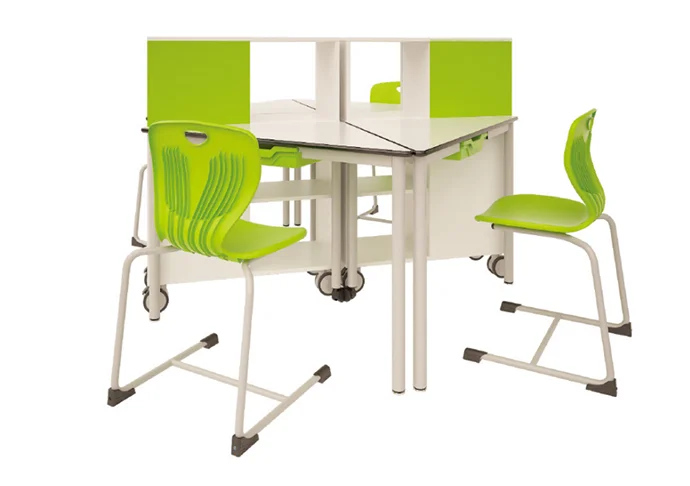
Collaborative student desks are designed to support group work and active learning. They typically feature modular designs that can be easily rearranged to accommodate various group sizes and activities. These desks encourage students to face one another, fostering a sense of community and collaboration.
Types of Collaborative Desks
1. **Modular Desks**: These desks can be combined and reconfigured to suit different classroom activities.
2. **Round Tables**: Ideal for group discussions, round tables eliminate barriers and promote equal participation.
3. **Standing Desks**: Encouraging movement and engagement, standing desks can be rearranged for group work while promoting physical activity.
4. **Flexible Seating Arrangements**: Incorporating bean bags, cushions, or stools alongside traditional desks can enhance comfort and collaboration.
Benefits of Implementing Collaborative Student Desks
The integration of collaborative student desks into learning spaces offers numerous advantages that enhance educational outcomes.
Enhancing Student Engagement
When students are seated at collaborative desks, they are more likely to participate actively in lessons. The arrangement allows for eye contact and interaction, making discussions more vibrant and inclusive.
Promoting Critical Thinking and Problem Solving
Working in groups encourages students to share diverse perspectives and collaborate on problem-solving tasks. This interaction cultivates critical thinking skills as students learn to evaluate different viewpoints and develop their own arguments.
Fostering Social Skills
Collaborative desks create opportunities for students to build relationships and improve their social skills. They learn to communicate effectively, resolve conflicts, and appreciate the value of teamwork, which are essential skills for their future careers.
Supporting Differentiated Learning Styles
Every student has unique learning preferences. Collaborative desks facilitate differentiated instruction by allowing teachers to tailor their approach based on the needs of small groups, providing personalized support and feedback.
Designing Effective Collaborative Learning Spaces
Creating an effective collaborative learning environment involves careful consideration of classroom design and layout.
Layout Considerations
The arrangement of desks should promote interaction while accommodating various teaching styles. Consider these layout options:
- **U-Shaped Configurations**: This layout facilitates discussions and allows teachers to circulate easily.
- **Cluster Arrangements**: Grouping desks in clusters encourages teamwork and collaboration.
- **Flexible Layouts**: Using movable furniture allows for quick reconfiguration based on the day's activities.
Incorporating Technology
Integrating technology into collaborative learning spaces enhances engagement and facilitates communication. Consider providing access to laptops, tablets, and interactive whiteboards. Tools like Google Workspace can support group projects and real-time collaboration.
Creating a Comfortable Environment
A welcoming classroom promotes engagement and productivity. Incorporate natural light, comfortable seating, and inviting colors. Providing areas for relaxation and informal collaboration can also improve the overall atmosphere.
Practical Tips for Implementing Collaborative Student Desks
Transitioning to collaborative desks may require adjustments in classroom management and instructional strategies. Here are practical tips for successful implementation.
Establish Clear Guidelines
Setting clear expectations for group work and behavior is essential. Create guidelines that promote respect, active listening, and equitable participation among students.
Encourage Peer Feedback
Peer feedback is an invaluable aspect of collaborative learning. Encourage students to provide constructive feedback to one another, fostering a culture of continuous improvement.
Monitor Group Dynamics
As students collaborate, teachers should monitor group dynamics, ensuring that every student participates and stays engaged. Be proactive in addressing any conflicts or challenges that arise during group work.
Case Studies: Successful Implementation of Collaborative Desks
Examining real-world examples can provide insights into the effective integration of collaborative student desks.
Case Study 1: Innovative High School
At an innovative high school, teachers redesigned their classrooms with movable desks and technology-integrated spaces. This shift resulted in increased student engagement and enhanced collaboration, leading to improved academic performance.
Case Study 2: Elementary School Transformation
An elementary school transitioned from traditional desks to collaborative seating arrangements. Teachers reported that students were more focused during lessons, and there was a noticeable improvement in social interactions among peers.
Challenges of Transitioning to Collaborative Spaces
While the benefits of collaborative student desks are clear, some challenges may arise during the transition.
Resistance to Change
Some educators may be hesitant to abandon traditional teaching methods. Addressing concerns and providing professional development can ease this transition.
Classroom Management
Managing a collaborative classroom requires different strategies. Teachers may need to develop new techniques to maintain order while promoting a collaborative atmosphere.
Future Trends in Collaborative Learning Spaces
As education continues to evolve, so will the design of collaborative learning spaces. Future trends may include:
- Increased integration of technology
- More emphasis on student feedback in classroom design
- Greater flexibility in furniture and layout
Conclusion: Embracing the Future of Education
Rethinking traditional learning spaces through the implementation of **collaborative student desks** is crucial for fostering a more engaging and effective educational experience. By embracing these innovative designs, educators can create environments that promote collaboration, enhance critical thinking, and prepare students for the challenges of the future. As we look to the future of education, the integration of collaborative desks represents a significant step towards unlocking the full potential of every student.
FAQs about Collaborative Student Desks
1. What are collaborative student desks?
Collaborative student desks are flexible furniture arrangements designed to facilitate group work and interaction among students, promoting a more engaging learning experience.
2. How do collaborative desks improve learning outcomes?
They enhance engagement, promote critical thinking, foster social skills, and support differentiated learning, ultimately leading to improved academic performance.
3. What are some effective classroom layouts for collaborative desks?
Layouts such as U-shaped configurations, cluster arrangements, and flexible layouts that allow for easy reconfiguration are effective.
4. How can technology be integrated into collaborative learning spaces?
Providing access to laptops, tablets, and interactive tools like whiteboards can enhance collaboration and engagement in the classroom.
5. What challenges might educators face when implementing collaborative desks?
Challenges may include resistance to change, classroom management difficulties, and the need for professional development to adapt teaching methods.
By embracing collaborative student desks, educators can create dynamic learning environments that not only enhance academic achievement but also prepare students for the collaborative world beyond the classroom.
Contact ESCO Furniture

Shortcut Menu
Get a Quote