Enhancing Learning Spaces: The Benefits of Stackable Classroom Desks and Chairs
多行文本内容元素
富文本内容绑定数据后可解析HTML语言内容
Release time:
Apr 11,2026
Summary:In the realm of educational furniture, the demand for functional and adaptable solutions continues to grow. Among these, stackable classroom desks and chairs have emerged as a popular choice for modern learning spaces. Their design caters to the diverse needs of educational settings, from preschools to higher education institutions. Here, we delve into the advantages and practical considerations o

In the realm of educational furniture, the demand for functional and adaptable solutions continues to grow. Among these, stackable classroom desks and chairs have emerged as a popular choice for modern learning spaces. Their design caters to the diverse needs of educational settings, from preschools to higher education institutions. Here, we delve into the advantages and practical considerations of incorporating stackable desks and chairs into your learning environment.
One of the primary benefits of stackable classroom desks and chairs is their space-saving capability. In many educational institutions, space can be a limitation, particularly in smaller classrooms or multi-purpose areas. Stackable furniture allows educators to easily rearrange the classroom layout as needed, facilitating various teaching styles and activities. When not in use, these pieces can be stacked and stored away, freeing up valuable space for group activities, movement, or even events.
Another significant advantage is the ease of mobility and adaptability. Stackable classroom desks and chairs are often lightweight and designed for quick rearrangement. This feature is particularly beneficial for collaborative learning, where students can work in groups or shift their seating arrangements to enhance their interaction. The flexibility of stackable furniture fosters a dynamic learning environment, encouraging creativity and participation among students.
Durability and ease of maintenance are also crucial factors to consider. Educational furniture must withstand daily wear and tear from active use. Stackable desks and chairs are typically constructed from robust materials that are easy to clean and maintain, ensuring longevity. Furthermore, many designs incorporate features such as scratch-resistant surfaces and sturdy frames, making them ideal for busy classrooms.
Comfort and ergonomics cannot be overlooked when selecting stackable classroom desks and chairs. It's essential to provide students with seating that supports their posture and promotes focus during learning activities. Many stackable options are designed with ergonomic considerations in mind, featuring contoured seats and adjustable heights to accommodate growing children. Investing in comfortable furniture can significantly impact students' attention spans and overall learning experiences.
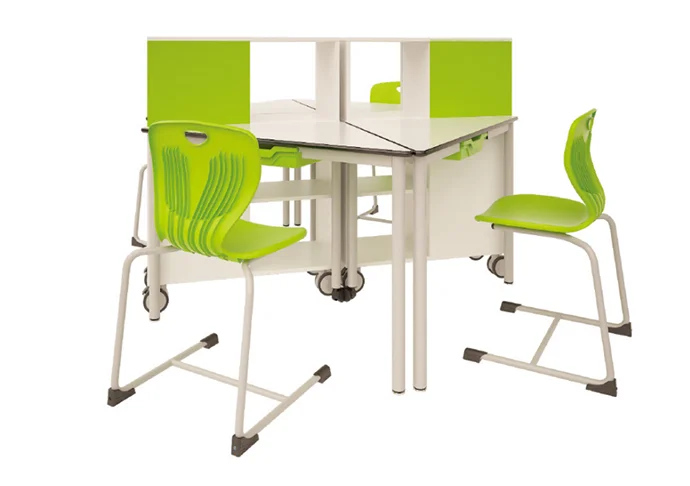
Additionally, aesthetic appeal plays a role in creating an engaging learning environment. Stackable classroom desks and chairs come in a variety of colors and styles, allowing educators to personalize their classrooms in ways that reflect their teaching philosophy or school culture. A vibrant and visually appealing classroom can enhance students' mood and motivation.
In conclusion, stackable classroom desks and chairs offer a multitude of benefits that align with the needs of modern educational settings. Their space-saving capabilities, adaptability, durability, comfort, and aesthetic versatility make them an essential choice for schools seeking to optimize their learning environments. By considering these factors, educators can create functional, inviting, and effective spaces that enhance students' educational experiences.
One of the primary benefits of stackable classroom desks and chairs is their space-saving capability. In many educational institutions, space can be a limitation, particularly in smaller classrooms or multi-purpose areas. Stackable furniture allows educators to easily rearrange the classroom layout as needed, facilitating various teaching styles and activities. When not in use, these pieces can be stacked and stored away, freeing up valuable space for group activities, movement, or even events.
Another significant advantage is the ease of mobility and adaptability. Stackable classroom desks and chairs are often lightweight and designed for quick rearrangement. This feature is particularly beneficial for collaborative learning, where students can work in groups or shift their seating arrangements to enhance their interaction. The flexibility of stackable furniture fosters a dynamic learning environment, encouraging creativity and participation among students.
Durability and ease of maintenance are also crucial factors to consider. Educational furniture must withstand daily wear and tear from active use. Stackable desks and chairs are typically constructed from robust materials that are easy to clean and maintain, ensuring longevity. Furthermore, many designs incorporate features such as scratch-resistant surfaces and sturdy frames, making them ideal for busy classrooms.
Comfort and ergonomics cannot be overlooked when selecting stackable classroom desks and chairs. It's essential to provide students with seating that supports their posture and promotes focus during learning activities. Many stackable options are designed with ergonomic considerations in mind, featuring contoured seats and adjustable heights to accommodate growing children. Investing in comfortable furniture can significantly impact students' attention spans and overall learning experiences.
Additionally, aesthetic appeal plays a role in creating an engaging learning environment. Stackable classroom desks and chairs come in a variety of colors and styles, allowing educators to personalize their classrooms in ways that reflect their teaching philosophy or school culture. A vibrant and visually appealing classroom can enhance students' mood and motivation.
In conclusion, stackable classroom desks and chairs offer a multitude of benefits that align with the needs of modern educational settings. Their space-saving capabilities, adaptability, durability, comfort, and aesthetic versatility make them an essential choice for schools seeking to optimize their learning environments. By considering these factors, educators can create functional, inviting, and effective spaces that enhance students' educational experiences.
Contact ESCO Furniture

Shortcut Menu
Get a Quote