Creating Dynamic Learning Environments Using Trapezoid Student Desks: Transforming Classroom Spaces for Enhanced Collaboration and Engagement
多行文本内容元素
富文本内容绑定数据后可解析HTML语言内容
Release time:
Apr 05,2026
Summary:Creating Dynamic Learning Environments Using Trapezoid Student Desks
Table of Contents
Introduction to Trapezoid Desks in Learning Environments
Benefits of Using Trapezoid Desks in Educational Settings
Design Considerations for Implementing Trapezoid Student Desks
Optimizing Classroom Layouts with Trapezoid Desks
Strategies to Foster Collaboration and Engagement
Case Studies: Successful Implement

Creating Dynamic Learning Environments Using Trapezoid Student Desks
Table of Contents
- Introduction to Trapezoid Desks in Learning Environments
- Benefits of Using Trapezoid Desks in Educational Settings
- Design Considerations for Implementing Trapezoid Student Desks
- Optimizing Classroom Layouts with Trapezoid Desks
- Strategies to Foster Collaboration and Engagement
- Case Studies: Successful Implementations of Trapezoid Desks
- How to Select the Right Trapezoid Desks for Your Classroom
- Frequently Asked Questions about Trapezoid Desks
- Conclusion: Embracing Trapezoid Desks for a Brighter Learning Future
Introduction to Trapezoid Desks in Learning Environments
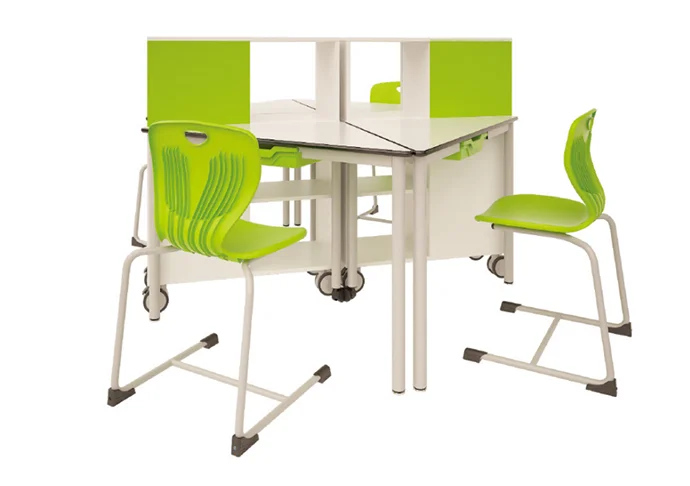
The traditional learning environment is evolving, with a significant emphasis on flexibility, collaboration, and engagement. Trapezoid student desks have emerged as a powerful tool in transforming these spaces. These uniquely shaped desks not only provide functionality but also encourage interaction among students, allowing for dynamic group work and collaborative learning experiences.
In this article, we will explore the essential aspects of using trapezoid desks in educational settings, including their benefits, design considerations, and practical strategies for implementation. By leveraging the unique advantages of trapezoid desks, educators can create vibrant learning environments that inspire student engagement and facilitate effective learning.
Benefits of Using Trapezoid Desks in Educational Settings
Enhancing Collaboration Among Students
One of the most significant advantages of trapezoid student desks is their capacity to enhance collaboration. Their shape allows for easy grouping of desks, making it simple for students to work together on projects or discussions. This setup promotes peer learning, where students can share ideas and insights, leading to a richer educational experience.
Encouraging Flexible Learning Spaces
Flexibility is a key characteristic of modern classrooms, and trapezoid desks provide just that. Their design allows educators to easily rearrange the layout to suit various teaching styles and activities. Whether it’s group work, individual tasks, or teacher-led instruction, trapezoid desks can adapt to meet diverse pedagogical needs.
Facilitating Active Learning
Trapezoid desks create opportunities for active learning—a method that emphasizes student engagement through participation. With their unique design, these desks encourage movement and interaction, keeping students more focused and less likely to become passive learners.
Optimizing Space Utilization
Classrooms often face space constraints, and choosing the right furniture is crucial. Trapezoid desks are designed to maximize space utilization effectively. Their compact design allows for more desks to fit comfortably in a classroom, accommodating larger groups without sacrificing comfort or individual space.
Design Considerations for Implementing Trapezoid Student Desks
Size and Dimensions
When selecting trapezoid desks, it’s essential to consider the size and dimensions that best fit your classroom. Desks should be spacious enough to allow students to work comfortably while ensuring there is adequate space for movement between them.
Material Quality
The durability of the desks is another vital consideration. Investing in high-quality materials ensures that the desks can withstand the daily wear and tear of a classroom environment. Consider options that are easy to clean and maintain, promoting hygiene and longevity.
Color and Aesthetics
The color and design of desks can significantly impact the learning atmosphere. Bright colors can stimulate creativity and energy, while neutral tones may create a calm environment conducive to concentration. Choose a color scheme that aligns with the overall classroom design and educational philosophy.
Ergonomics
Ergonomics should always be a priority when selecting classroom furniture. Trapezoid desks should be adjustable to accommodate students of different heights and sizes, ensuring comfort and promoting good posture during long periods of study.
Optimizing Classroom Layouts with Trapezoid Desks
Collaborative Learning Stations
One effective way to use trapezoid desks is to create collaborative learning stations. These areas can be designated for group projects or interactive activities, allowing students to engage with their peers dynamically. By arranging desks in clusters, instructors can facilitate group discussions and collaborative tasks.
Flexible Learning Zones
Incorporating flexible learning zones within the classroom can maximize the use of trapezoid desks. Designate specific areas for different types of learning activities, such as quiet study zones or active project spaces. This organization encourages students to move between zones, fostering a more engaging learning environment.
Teacher-Centered vs. Student-Centered Layouts
Consider whether your classroom layout supports teacher-centered instruction or promotes student-centered learning. Trapezoid desks can facilitate both approaches; however, layouts should be adjusted based on the instructional strategy being employed. For instance, a U-shape can be beneficial for discussions, while clusters may work better for collaborative projects.
Strategies to Foster Collaboration and Engagement
Group Projects and Peer Learning
Utilizing trapezoid desks for group projects encourages peer learning. Assign students to small groups and provide them with tasks that require collaboration. This method promotes teamwork, critical thinking, and problem-solving skills.
Interactive Lessons and Discussions
Implement interactive lessons that require students to engage with each other. Trapezoid desks support this by making it easy for students to see and communicate with their peers. Discussion-based lessons can thrive with this setup, fostering an environment of open dialogue.
Incorporating Technology
Integrate technology into the learning experience by using trapezoid desks with built-in tech capabilities. For instance, desks with charging ports or integrated screens can enhance collaborative projects and presentations, making learning more interactive and enjoyable.
Case Studies: Successful Implementations of Trapezoid Desks
Case Study 1: A Middle School Transformation
At River Valley Middle School, the introduction of trapezoid desks led to a remarkable shift in the learning environment. After implementing these desks, teachers reported increased student engagement and improved collaboration. Classrooms were reorganized into flexible learning spaces, allowing for dynamic teaching strategies that catered to diverse student needs.
Case Study 2: Enhancing STEM Education
In a local high school, trapezoid desks were used to create specialized STEM learning labs. By encouraging group work and project-based learning, students became more involved in their studies, resulting in higher test scores and increased interest in STEM fields. The unique desk shapes facilitated hands-on activities and experiments, reinforcing the learning objectives.
How to Select the Right Trapezoid Desks for Your Classroom
Assess Your Classroom Needs
Begin by evaluating your classroom’s specific needs. Consider the number of students, the types of activities planned, and any existing furniture. This assessment will guide your selection of trapezoid desks that best suit your learning environment.
Budget Considerations
Establish a budget before exploring options. While quality is important, there are many affordable choices available on the market. Look for vendors that offer discounts for bulk purchases or educational institutions.
Seek Feedback from Educators
Gather input from teachers and staff who will be using the desks regularly. Their experiences and preferences can provide valuable insights into selecting the most suitable trapezoid desks for your classroom.
Frequently Asked Questions about Trapezoid Desks
1. What are the benefits of using trapezoid desks in classrooms?
Trapezoid desks enhance collaboration, flexibility, and active learning, allowing for diverse teaching styles and maximizing student engagement.
2. How can I arrange trapezoid desks for group activities?
You can group trapezoid desks in clusters or a U-shape to facilitate discussions and collaborative projects, promoting interaction among students.
3. Are trapezoid desks ergonomic?
Many trapezoid desks are designed with ergonomics in mind, featuring adjustable heights and comfortable surfaces to promote good posture.
4. Can trapezoid desks fit into smaller classrooms?
Yes, trapezoid desks are designed to maximize space utilization, allowing for effective classroom arrangements even in smaller environments.
5. How do I maintain trapezoid desks?
Regular cleaning and maintenance are essential. Use appropriate cleaning solutions to keep surfaces hygienic and in good condition.
Conclusion: Embracing Trapezoid Desks for a Brighter Learning Future
In conclusion, trapezoid student desks represent a significant advancement in creating dynamic learning environments that foster collaboration, creativity, and student engagement. By understanding their benefits and implementing effective strategies for their use, educators can transform classrooms into vibrant spaces that inspire learning and growth. As we continue to embrace innovative educational tools, trapezoid desks will undoubtedly play a crucial role in shaping the future of education.
Contact ESCO Furniture

Shortcut Menu
Get a Quote