Choosing the Perfect Collaborative Learning Desks: A Comprehensive Guide
多行文本内容元素
富文本内容绑定数据后可解析HTML语言内容
Release time:
Apr 01,2026
Summary:Choosing the Perfect Collaborative Learning Desks: A Comprehensive Guide
Collaborative learning is becoming increasingly important in modern education, focusing on teamwork and interactive learning. A vital component of creating an effective collaborative learning environment is selecting the right desks. In this guide, we will explore various styles of collaborative learning desks, their features

Choosing the Perfect Collaborative Learning Desks: A Comprehensive Guide
Collaborative learning is becoming increasingly important in modern education, focusing on teamwork and interactive learning. A vital component of creating an effective collaborative learning environment is selecting the right desks. In this guide, we will explore various styles of collaborative learning desks, their features, and how to choose the best options for your needs.
Understanding Collaborative Learning Desks
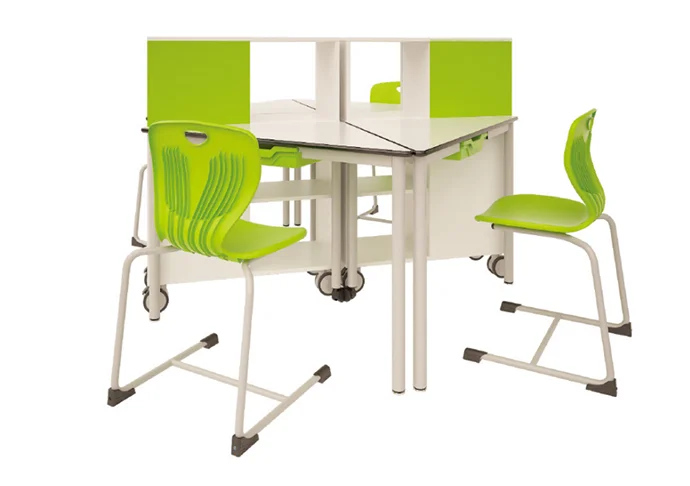
Collaborative learning desks are designed to facilitate group work and interaction among students. They come in various shapes, sizes, and configurations, allowing for flexibility in classroom arrangement. The right desk can significantly enhance teamwork, communication, and engagement.
Why the Right Desk Style Matters
Choosing the appropriate style of desk is essential for several reasons:
1. **Facilitating Interaction**: The design of the desk can either promote or hinder interaction among students. Desks that are too far apart can discourage communication, while those that are too close might feel cramped.
2. **Encouraging Movement**: In a collaborative learning environment, students often need to move around and interact with different groups. The right desk style allows for easy movement and reconfiguration of seating.
3. **Supporting Different Learning Styles**: Students have diverse learning preferences. Some may thrive in group settings, while others prefer independent work. Selecting desks that accommodate various styles ensures inclusivity.
Factors to Consider When Choosing Collaborative Learning Desks
When selecting collaborative learning desks, several factors should be taken into account:
1. Classroom Size and Layout
The size and layout of your classroom play a significant role in the type of desks you choose. In smaller rooms, flexible desks that can be easily rearranged are ideal. Conversely, larger spaces might accommodate more stationary configurations.
2. Desk Shape and Design
Desks come in various shapes, including rectangular, circular, and modular designs. Each shape offers unique benefits:
- **Rectangular Desks**: These are the most common and can be arranged in rows or clusters.
- **Circular Desks**: Ideal for promoting discussion, circular desks encourage students to face one another.
- **Modular Desks**: These can be reconfigured into different shapes, allowing for versatile classroom setups.
3. Material and Durability
The material of the desks impacts their longevity and maintenance. High-quality materials such as laminate or solid wood can withstand heavy use while maintaining their appearance. It's also essential to consider how easy the desks are to clean and maintain.
4. Ergonomics and Comfort
Comfort is crucial in a learning environment. Desks should be at an appropriate height for students, and the design should allow for comfortable seating arrangements. Considering adjustable desk heights can be beneficial for accommodating different age groups.
5. Technology Integration
Modern classrooms often incorporate technology, such as computers and tablets. Desks that include integrated power outlets or cable management systems can help reduce clutter and improve the learning experience.
Popular Styles of Collaborative Learning Desks
Now that we understand the factors to consider let’s explore some popular styles of collaborative learning desks:
1. Cluster Desks
Cluster desks consist of multiple individual desks grouped together, allowing small teams to work collaboratively. This setup encourages interaction and teamwork, making it ideal for group projects and discussions.
2. U-Shaped Desks
U-shaped desks create a semi-circle, promoting face-to-face interaction among students. This layout is particularly effective for classes that require extensive discussion or debate, as it allows everyone to see each other.
3. Collaborative Tables
Collaborative tables are larger surfaces that multiple students can use simultaneously. They foster teamwork and are often used for projects that require more space. These tables can be round, square, or rectangular, depending on the classroom's needs.
4. Foldable or Stacking Desks
Foldable or stacking desks offer flexibility and easy storage. They can be quickly rearranged or removed when not in use, making them suitable for classrooms with varying activities.
5. Adjustable Desks
Adjustable desks provide the ability to change height and layout, accommodating different learning styles and physical needs. This adaptability makes them an excellent choice for inclusive classrooms.
Arranging Collaborative Learning Desks for Optimal Engagement
The arrangement of desks can significantly influence student engagement. Here are some strategies to consider:
1. Grouping by Task
Consider grouping desks based on specific tasks or projects. This setup encourages collaboration and allows students to focus on their objectives without distractions.
2. Rotating Groups
Implementing a rotation system can keep students engaged and allow them to interact with different classmates. By changing the arrangement regularly, you promote a dynamic learning environment.
3. Creating Learning Zones
Designating different areas for specific activities (discussion, independent work, or presentations) can enhance the learning experience. Arranging desks to define these zones can help students transition smoothly between tasks.
Enhancing the Learning Environment with Collaborative Learning Desks
Beyond arrangement, several additional elements can improve the impact of collaborative desks on learning.
1. Personalization of Space
Encouraging students to personalize their workspace can foster a sense of ownership and engagement. Allowing them to decorate their desks or create individual workstations supports creativity and comfort.
2. Incorporating Technology
Utilizing technology effectively enhances collaboration. Desks with integrated screens or charging stations help students stay connected and engaged in their work.
3. Adding Comfort Elements
Comfortable seating and adequate lighting are essential components in a collaborative learning environment. Ensure that the seating is appropriate for extended periods of use and that the classroom is well-lit.
Budgeting for Collaborative Learning Desks
Selecting the right collaborative learning desks doesn't have to break the bank. Here are some tips for budgeting effectively:
1. Prioritize Quality Over Quantity
While it might be tempting to purchase cheaper desks in bulk, investing in high-quality options will save money in the long run due to reduced maintenance and replacement costs.
2. Explore Used or Refurbished Options
Consider looking for used or refurbished desks, especially if your budget is tight. Many schools and organizations sell quality furniture at significantly reduced prices.
3. Seek Funding or Grants
Many educational institutions can access grants or funding to support classroom improvements. Research available options to help finance your purchase.
Frequently Asked Questions (FAQs)
1. What is the best shape of desk for group learning?
The best shape varies depending on your classroom's needs. U-shaped desks promote interaction, while collaborative tables provide ample space for teamwork.
2. How can I ensure my students are comfortable at their desks?
Invest in adjustable desks and ergonomic seating to accommodate various heights and preferences, ensuring students feel comfortable during lessons.
3. Do collaborative desks require more space than traditional desks?
While collaborative desks may require more space due to their arrangement, they can also provide more effective use of space through flexibility and movement.
4. How important is technology integration in collaborative desks?
Integrating technology is crucial in modern classrooms. Desks that accommodate devices and provide charging stations enhance the collaborative learning experience.
5. Where can I find affordable collaborative learning desks?
Explore educational furniture suppliers, local stores, and online marketplaces for affordable options. Consider used or refurbished desks for budget-friendly alternatives.
Conclusion
Selecting the right style of collaborative learning desks is a critical decision that can enhance the overall learning environment. By understanding the various desk options, considering classroom dynamics, and arranging desks for optimal engagement, educators can create a dynamic space that fosters collaboration and teamwork. With thoughtful planning and attention to student needs, you can choose desks that will support collaborative learning effectively, ensuring a richer educational experience for all students.
Contact ESCO Furniture

Shortcut Menu
Get a Quote