How Collaborative Classroom Desks Foster Creativity in Students
多行文本内容元素
富文本内容绑定数据后可解析HTML语言内容
Release time:
Mar 12,2026
Summary:How Collaborative Classroom Desks Foster Creativity in Students
Table of Contents
Introduction to Collaborative Classroom Desks
The Importance of Collaboration in Learning
Design Features of Collaborative Classroom Desks
The Impact of Collaborative Desks on Student Creativity
Best Practices for Implementing Collaborative Classroom Desks
Case Studies: Success Stories from S

How Collaborative Classroom Desks Foster Creativity in Students
Table of Contents
- Introduction to Collaborative Classroom Desks
- The Importance of Collaboration in Learning
- Design Features of Collaborative Classroom Desks
- The Impact of Collaborative Desks on Student Creativity
- Best Practices for Implementing Collaborative Classroom Desks
- Case Studies: Success Stories from Schools
- Future Trends in Collaborative Learning Furniture
- Conclusion
- Frequently Asked Questions
Introduction to Collaborative Classroom Desks
In today’s educational landscape, the traditional classroom setup is evolving rapidly. Collaborative classroom desks are at the forefront of this change, offering innovative solutions that encourage teamwork, creativity, and engagement among students. These desks, designed for flexibility and interaction, provide a conducive environment for collaborative learning. As educators seek to enhance student creativity, understanding the vital role of these desks becomes increasingly important.
The Importance of Collaboration in Learning
Collaboration is a cornerstone of modern education. It encourages students to share ideas, challenge assumptions, and develop critical thinking skills. In a collaborative learning environment, students learn how to communicate effectively, work together towards common goals, and appreciate diverse perspectives. This approach not only enhances academic performance but also fosters essential life skills such as empathy and adaptability.
How Collaboration Enhances Creative Thinking
Creative thinking flourishes in environments where ideas can be freely shared and developed. Collaborative classroom desks facilitate this by allowing students to easily group together, discuss concepts, and brainstorm solutions. The dynamic nature of collaboration stimulates imagination and inspires originality, critical components of the creative process.
Design Features of Collaborative Classroom Desks
The design of collaborative classroom desks plays a crucial role in fostering creativity. Effective desk designs incorporate several key features:
Modular and Flexible Designs
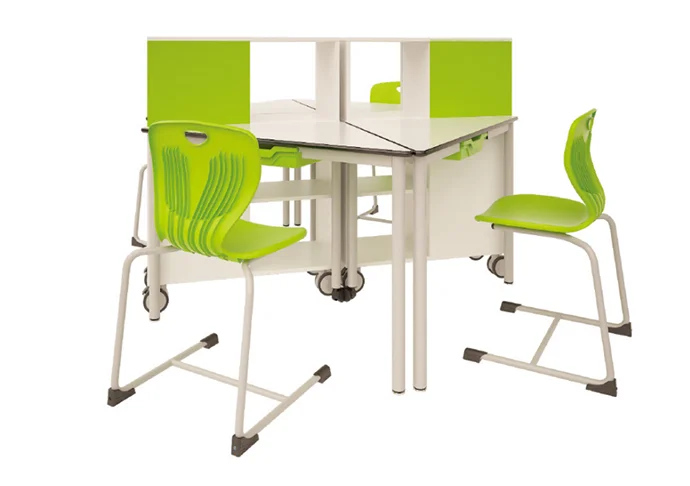
Modular desks can be reconfigured to accommodate different group sizes and activities. This flexibility allows educators to create a variety of learning environments, from small group discussions to larger project collaborations. Desks with wheels or lightweight materials further enhance mobility, making it easy for students to adapt their workspace as needed.
Interactive Technology Integration
Many modern collaborative desks come equipped with technology features such as built-in charging ports, screens for group presentations, and interactive whiteboards. These technologies encourage students to engage with digital resources collaboratively, bridging the gap between traditional learning and modern educational tools.
Comfort and Ergonomics
Comfortable seating and ergonomic desk designs are essential for long periods of collaborative work. Adjustable heights and supportive designs not only enhance student comfort but also promote better focus and engagement during collaborative activities.
The Impact of Collaborative Desks on Student Creativity
The transition to collaborative classroom desks has shown a significant positive impact on student creativity. Research indicates that students in collaborative environments are more likely to take risks, explore new ideas, and engage in creative problem-solving.
Encouraging Diverse Perspectives
When students work together, they bring unique perspectives and ideas to the table. This diversity stimulates discussions that can lead to innovative solutions and creative outcomes. Collaborative desks create a physical space that encourages these interactions, resulting in a richer learning experience.
Fostering a Growth Mindset
Collaborative learning environments promote a growth mindset, where students understand that abilities can be developed through effort and perseverance. This mindset is crucial for creativity, as students learn to embrace challenges and view failures as opportunities for growth.
Best Practices for Implementing Collaborative Classroom Desks
To maximize the benefits of collaborative classroom desks, educators should consider several best practices:
Training Educators
Providing professional development for educators on how to utilize collaborative desks effectively is essential. Educators should be equipped with strategies to foster collaboration and creativity, ensuring that they can guide students in maximizing their potential.
Creating an Inclusive Environment
An inclusive classroom environment is vital for encouraging collaboration. Teachers should promote a culture of respect and openness, where all students feel comfortable sharing their ideas and contributions.
Incorporating Group Projects
Integrating group projects into the curriculum can enhance the effectiveness of collaborative desks. Assignments that require teamwork and collaboration will encourage students to utilize their desks creatively, enhancing the overall learning experience.
Case Studies: Success Stories from Schools
Several schools have successfully implemented collaborative classroom desks, resulting in improved student engagement and creativity.
Case Study 1: ABC Elementary School
At ABC Elementary School, the introduction of collaborative desks transformed the learning environment. Teachers reported increased student participation and improved teamwork skills, leading to higher academic performance. Students thrived in the flexible setup, often collaborating on projects and engaging in creative discussions.
Case Study 2: XYZ High School
XYZ High School redesigned its classrooms with modular desks and integrated technology. The results were remarkable; students demonstrated enhanced creativity in their projects, and teachers noted a significant improvement in critical thinking skills. The new setup fostered a vibrant collaborative culture that extended beyond classroom walls.
Future Trends in Collaborative Learning Furniture
As educational needs evolve, so too will collaborative classroom furniture. Future trends may include:
Smart Desks
The integration of artificial intelligence and smart technology into classroom desks is on the rise. These advanced features could provide real-time feedback to students, helping them track their collaborative efforts and identify areas for improvement.
Sustainable Materials
The growing focus on sustainability in education will likely influence furniture design. Collaborative desks made from eco-friendly materials will become increasingly popular, reflecting a commitment to environmental responsibility.
Augmented Reality Enhancements
Augmented reality (AR) is poised to become a transformative tool in education. Collaborative desks could incorporate AR technology to create immersive learning experiences, encouraging students to collaborate on projects in innovative ways.
Conclusion
Collaborative classroom desks are key to fostering creativity in students. By providing flexible, interactive, and comfortable spaces for collaboration, these desks encourage diverse perspectives, promote a growth mindset, and enhance critical thinking skills. As educational institutions continue to adopt collaborative furniture designs, the potential for increased creativity and engagement in the classroom is immense. Through thoughtful implementation and a commitment to fostering collaborative environments, educators can cultivate a generation of innovative thinkers ready to tackle the challenges of the future.
Frequently Asked Questions
1. How do collaborative desks improve student engagement?
Collaborative desks allow students to work together easily, leading to increased participation and interaction, which enhances engagement.
2. What are the best types of collaborative desks for classrooms?
Modular desks that can be reconfigured, with integrated technology and ergonomic designs, are among the best options for fostering collaboration.
3. Can collaborative desks be used in all subjects?
Yes, collaborative desks can enhance learning in any subject by facilitating group work, discussions, and creative projects.
4. How can teachers encourage collaboration among students using these desks?
Teachers can implement group projects, promote open communication, and provide clear guidelines for collaborative activities to encourage teamwork.
5. What is the long-term impact of using collaborative desks on student creativity?
The long-term impact includes improved critical thinking, enhanced problem-solving skills, and a greater inclination towards innovative thinking as students adapt to collaborative learning environments.
Contact ESCO Furniture

Shortcut Menu
Get a Quote