From Traditional to Contemporary: Modular Desks for Classrooms Explained
多行文本内容元素
富文本内容绑定数据后可解析HTML语言内容
Release time:
Mar 08,2026

From Traditional to Contemporary: Modular Desks for Classrooms Explained
In the ever-evolving landscape of education, classroom furniture plays a critical role in shaping the learning experience. Among the various types of furniture available, **modular desks** have emerged as a game-changer, transforming traditional learning environments into dynamic spaces that foster collaboration, creativity, and flexibility. This article explores the journey from traditional classroom desks to contemporary modular desk designs, highlighting their significance, benefits, and the future of educational furniture.
Table of Contents
- Understanding Modular Desks
- The Evolution of Classroom Furniture
- Benefits of Modular Desks in Classrooms
- Designs and Configurations of Modular Desks
- Materials Used in Modular Desks
- Implementing Modular Desks in Educational Settings
- Case Studies: Successful Use of Modular Desks
- Future Trends in Classroom Furniture Design
- Conclusion
- FAQs about Modular Desks
Understanding Modular Desks
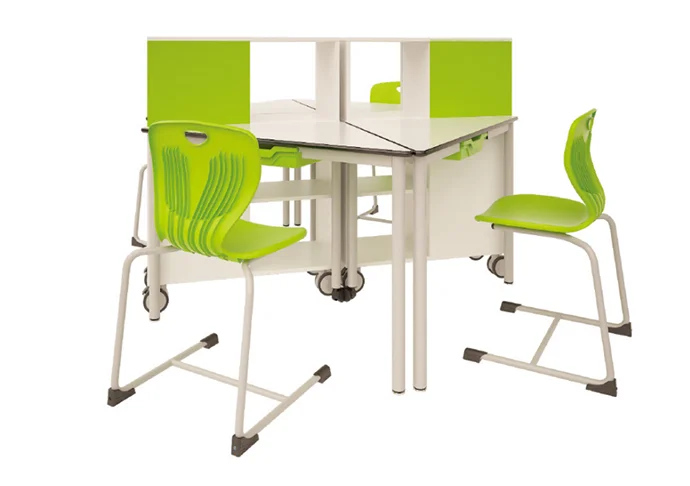
Modular desks refer to a flexible and adaptable type of furniture designed to cater to various teaching and learning styles. Unlike traditional desks fixed in one position, modular desks can be arranged in different configurations to accommodate group work, independent study, and teacher-led instruction.
Defining Modular Furniture
In essence, modular furniture consists of separate components that can be combined or rearranged to create a variety of setups. This adaptability is crucial in classrooms, where the need for different learning arrangements arises frequently. Whether it’s for collaborative projects or individual assessments, modular desks provide educators with the versatility to meet diverse educational needs.
The Evolution of Classroom Furniture
The design of classroom furniture has come a long way since the rigid wooden desks of the past. Traditionally, classrooms were designed for direct instruction, with rows of desks facing the teacher. However, as educational philosophies shifted towards student-centered learning, so too did the furniture.
Historical Perspective
Historically, classroom desks were fixed in place, which limited interaction and collaboration among students. The introduction of **movable furniture** aimed to break this monotony, but it was the modular desk concept that truly revolutionized classroom design. By allowing for easy rearrangement, modular desks facilitate various learning styles, encouraging students to engage more actively in their education.
Benefits of Modular Desks in Classrooms
Adopting modular desks in educational settings comes with numerous benefits that enhance the learning environment. Here are some key advantages:
Enhanced Collaboration
Modular desks promote **collaborative learning** by enabling students to work together easily. Teachers can group desks for projects, discussions, or peer reviews, fostering a sense of teamwork and community in the classroom.
Flexible Learning Environments
With modular desks, classrooms can be quickly reconfigured to suit different teaching methodologies. Whether for lectures, group work, or individual tasks, the flexibility provided by these desks adapts to the teacher's style and students' needs.
Improved Engagement
Students are more likely to be engaged when they have control over their learning environment. Modular desks allow students to choose their seating arrangement, which can lead to increased motivation and participation in classroom activities.
Space Optimization
In many schools, space is at a premium. Modular desks can be arranged to maximize the use of classroom space effectively, ensuring that every student has a comfortable and accessible learning spot. This optimization also allows for the incorporation of technology and other teaching tools within the learning space.
Designs and Configurations of Modular Desks
Modular desks come in various designs and configurations, catering to different classroom needs and aesthetics. Below are some popular styles:
Traditional Rectangular Desks
These desks retain a classic look while offering flexibility. Teachers can group rectangular desks in clusters or arrange them in circles to encourage interaction among students.
Round Desks
Round desks are ideal for group work, allowing students to face one another easily. This design facilitates discussion and collaboration, making it perfect for project-based learning.
Adjustable Height Desks
Height-adjustable modular desks accommodate students of various sizes and promote comfort. Such designs encourage movement, allowing students to alternate between sitting and standing while working.
Mobile Desks
Mobile modular desks feature wheels or casters, enabling easy movement around the classroom. This feature allows teachers to quickly rearrange the learning space as needed, making them a favorite in dynamic teaching environments.
Materials Used in Modular Desks
The materials used to construct modular desks are critical for their durability, aesthetics, and functionality. Common materials include:
Wood
Wooden desks offer a classic and warm appearance, providing a sturdy option for educational environments. They are often treated for durability and ease of maintenance.
Laminate
Laminate surfaces are popular for their scratch-resistance and easy cleaning. They come in various colors and patterns, allowing for customization to match classroom aesthetics.
Metal
Metal frames are commonly used for their strength and longevity. They are often combined with wooden or laminate surfaces to create a balanced look that is both stylish and functional.
Plastic
Plastic modular desks are lightweight and easy to clean, making them ideal for younger students. They are available in various colors, promoting a playful and engaging learning environment.
Implementing Modular Desks in Educational Settings
Successfully integrating modular desks into classrooms requires careful planning and consideration. Here are some steps to ensure a smooth transition:
Assessing Classroom Needs
Before selecting modular desks, it’s crucial to assess the specific needs and dynamics of the classroom. Consider the teaching style, classroom size, and student demographics.
Training for Educators
Teachers should receive training on how to maximize the benefits of modular desks. Understanding how to arrange desks effectively for different teaching scenarios is essential for unlocking their full potential.
Involving Students
Engaging students in the desk arrangement process can foster a sense of ownership over their learning environment. Allowing students to have a say in their seating arrangements can enhance their engagement and comfort.
Case Studies: Successful Use of Modular Desks
To illustrate the effectiveness of modular desks, let's examine a few case studies from institutions that have successfully implemented them:
ABC Primary School
At ABC Primary School, teachers reported a significant increase in student collaboration after replacing traditional desks with modular ones. By rearranging desks for group projects, students became more engaged and communicative.
XYZ High School
XYZ High School implemented adjustable height desks to accommodate diverse learner needs. This shift not only enhanced student comfort but also promoted a more active learning environment, as students could easily switch between sitting and standing.
Future Trends in Classroom Furniture Design
The future of classroom furniture, particularly modular desks, promises exciting developments:
Technology Integration
As technology continues to advance, modular desks will likely incorporate features like built-in charging stations for devices, promoting seamless integration of technology in learning.
Sustainable Materials
With growing environmental awareness, future modular desks will increasingly use sustainable materials, reflecting a commitment to eco-friendly practices in education.
Smart Desks
Emerging designs are likely to include smart features, such as sensors that track student engagement or desk height adjustments based on user preferences, further enhancing the learning experience.
Conclusion
In conclusion, the shift from traditional desks to modular desks represents a significant development in classroom design. By embracing flexibility, collaboration, and student-centered learning, modular desks not only enhance the educational experience but also prepare students for the future. As classrooms continue to evolve, investing in high-quality modular desks will undoubtedly be a vital step towards creating dynamic and effective learning environments.
Frequently Asked Questions about Modular Desks
1. What are modular desks?
Modular desks are flexible furniture pieces designed for classrooms that can be rearranged in various configurations to support different learning styles and activities.
2. How do modular desks benefit students?
They enhance collaboration, allow for flexible learning environments, increase student engagement, and optimize classroom space.
3. What materials are commonly used for modular desks?
Common materials include wood, laminate, metal, and plastic, each offering various benefits in terms of durability and aesthetics.
4. Can modular desks accommodate technology?
Yes, many modern modular desks come with built-in features such as charging stations and cable management systems to facilitate technology use.
5. How can schools effectively implement modular desks?
Schools should assess their specific needs, provide training for educators, and involve students in the desk arrangement process to ensure successful implementation.
Contact ESCO Furniture

Shortcut Menu
Get a Quote